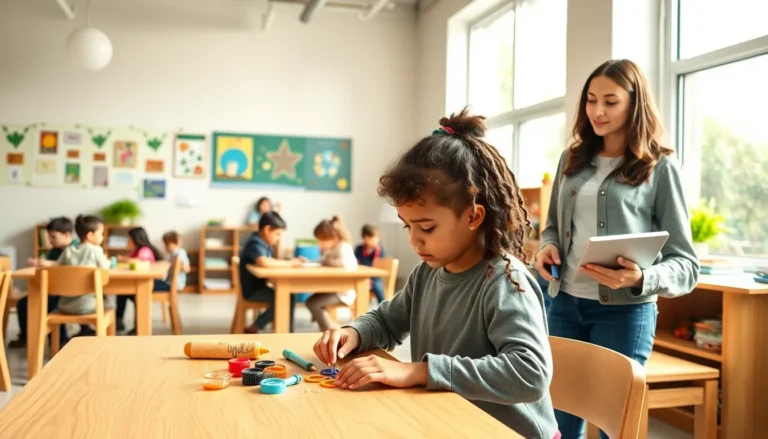
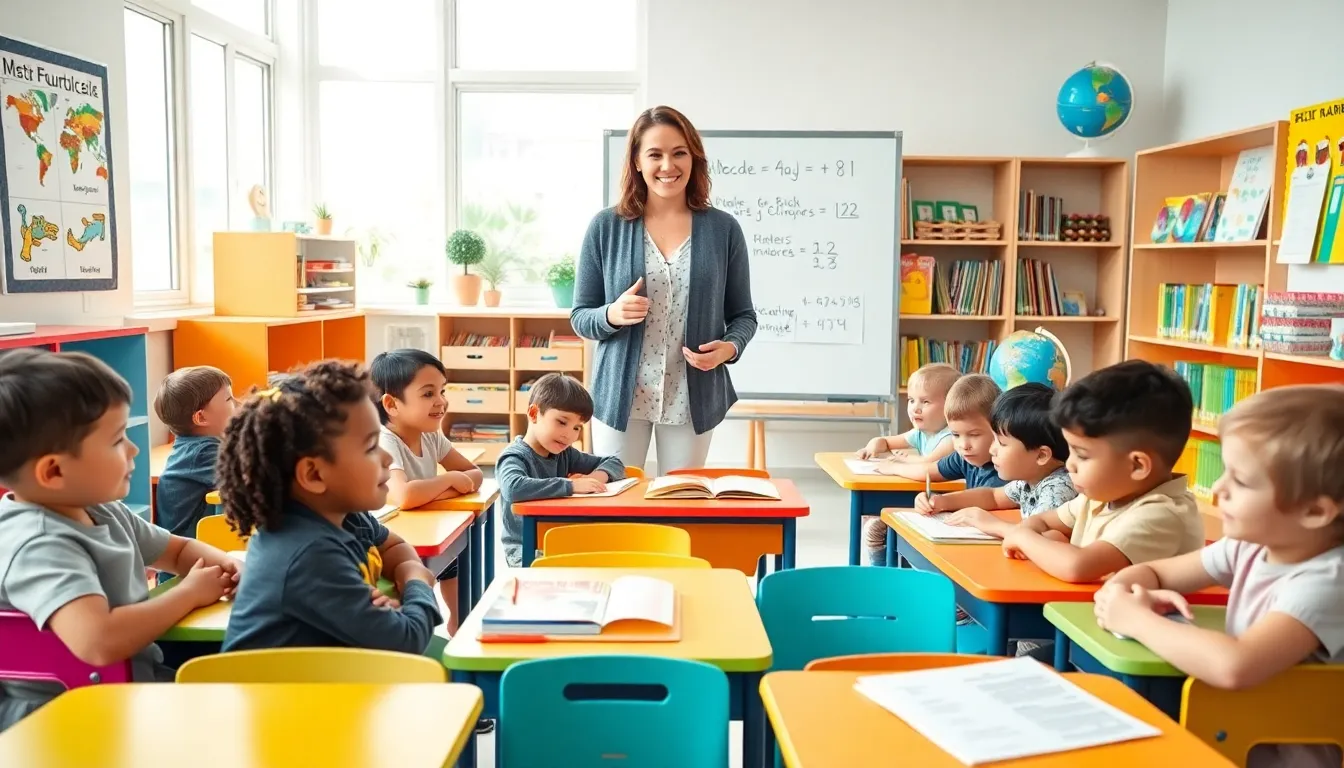
What is elementary school? It’s the first stage of formal education in the United States and lays the foundation for a child’s academic journey. For parents with young children, understanding this phase helps them prepare for what lies ahead.
Elementary school introduces students to reading, writing, math, and social skills. It shapes how children think, learn, and interact with others. This guide covers everything parents need to know, from grade levels and age ranges to curriculum basics and developmental milestones.
Table of Contents
ToggleKey Takeaways
- Elementary school is the first stage of formal education in the U.S., typically covering kindergarten through fifth or sixth grade for children ages 5 to 11.
- Core subjects include reading, writing, mathematics, science, and social studies, with additional offerings like art, music, and physical education.
- Elementary school builds foundational literacy and numeracy skills that students rely on throughout their academic journey.
- Children develop critical social and emotional skills during elementary school, including cooperation, communication, and self-regulation.
- Unlike middle and high school, elementary students usually stay with one teacher for most subjects, providing a more structured and supervised environment.
- Early intervention during elementary school helps identify learning difficulties before they become larger challenges in later grades.
Definition and Grade Levels
Elementary school refers to the primary level of education in the U.S. school system. It typically includes kindergarten through fifth or sixth grade, depending on the school district.
Most elementary schools in the United States follow a K-5 structure. Students start in kindergarten around age five and progress through grades one to five. Some districts extend elementary school to include sixth grade, while others move sixth graders to middle school.
The term “elementary school” comes from the word “elementary,” meaning basic or foundational. That’s exactly what this stage provides: foundational skills in literacy, numeracy, and social behavior. Students learn the building blocks they’ll use throughout their education.
Public elementary schools are free and funded by local taxes. Private and charter elementary schools offer alternative options, though they may charge tuition or have specific enrollment requirements. Regardless of type, all elementary schools share a common goal: preparing young learners for the next academic level.
Typical Age Range for Students
Children attending elementary school are usually between five and eleven years old. The exact age depends on grade level and the child’s birthday cutoff date.
Kindergarteners are typically five or six years old. By fifth grade, most students are ten or eleven. Districts set birthday cutoff dates that determine when a child can enroll. For example, a child might need to turn five by September 1st to start kindergarten that fall.
Some parents choose to “redshirt” their children, holding them back a year before starting kindergarten. This practice gives younger children, especially those with summer birthdays, extra time to mature. Research shows mixed results on long-term academic benefits, but some families find it helpful.
Elementary school students go through significant physical, emotional, and cognitive changes during these years. A kindergartener learning to hold a pencil is very different from a fifth grader writing research reports. Teachers and curriculum designers account for these developmental differences at each grade level.
Core Subjects and Curriculum
Elementary school curriculum covers several core subjects. Reading, writing, and mathematics form the foundation. Science and social studies round out the academic program.
Reading and Language Arts
Students learn phonics, vocabulary, reading comprehension, and writing skills. Early grades focus on decoding words and understanding simple texts. Upper elementary grades introduce longer reading passages and basic essay writing.
Mathematics
Math instruction starts with counting and number recognition. It progresses to addition, subtraction, multiplication, and division. By fifth grade, students work with fractions, decimals, and basic geometry. Problem-solving skills develop throughout all grade levels.
Science
Elementary science covers life science, earth science, and physical science. Students learn about plants, animals, weather, and simple physics concepts. Hands-on experiments help make abstract ideas concrete.
Social Studies
This subject introduces geography, history, civics, and community concepts. Students learn about maps, local history, national holidays, and how communities function. The goal is building awareness of the world beyond the classroom.
Additional Subjects
Most elementary schools also offer art, music, and physical education. These subjects support creativity, coordination, and well-rounded development. Some schools include technology instruction and foreign language classes.
The Role of Elementary School in Child Development
Elementary school plays a critical role in child development. It affects academic growth, social skills, and emotional well-being.
Academically, elementary school builds literacy and numeracy skills that students use for the rest of their lives. A child who struggles with reading in third grade often faces challenges in later grades. Early intervention programs help identify and address learning difficulties before they compound.
Socially, elementary school teaches children how to work with others. Group projects, recess, and classroom discussions help students learn cooperation, conflict resolution, and communication. These skills transfer to middle school, high school, and adult life.
Emotionally, elementary school helps children develop self-regulation and resilience. They learn to handle disappointment, celebrate achievements, and manage frustration. Teachers and counselors support this growth through structured activities and individual guidance.
Elementary school also establishes attitudes toward learning. Students who enjoy school during these years often carry that enthusiasm forward. Positive experiences with teachers and peers create a strong foundation for future academic success.
Differences Between Elementary, Middle, and High School
Elementary school differs from middle school and high school in several key ways. Understanding these differences helps parents prepare children for each transition.
Structure and Schedule
Elementary students typically stay with one teacher for most subjects throughout the day. Middle and high school students rotate between classrooms and teachers for different subjects. This shift requires greater independence and time management skills.
Academic Expectations
Elementary school introduces foundational concepts. Middle school builds on these with more complex material. High school prepares students for college or careers with advanced coursework and electives. The workload increases at each level.
Social Environment
Elementary school classes are smaller and more supervised. Middle school introduces larger peer groups and more social pressure. High school adds even more independence and social complexity. Each transition challenges students to adapt.
Assessment Methods
Elementary schools use frequent informal assessments and standardized tests at certain grades. Middle and high schools rely more heavily on exams, projects, and grades that affect GPA. The stakes feel higher as students progress.
Extracurricular Activities
Elementary school offers basic clubs and activities. Middle school expands options with sports teams and interest-based groups. High school provides the widest range of extracurriculars, including competitive athletics and college-prep activities.