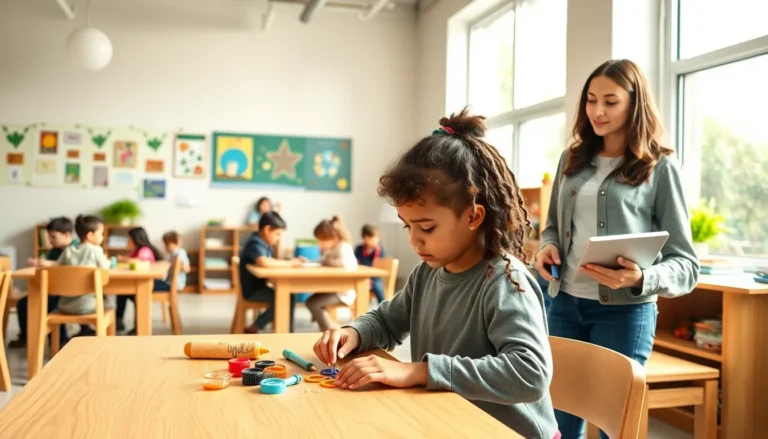
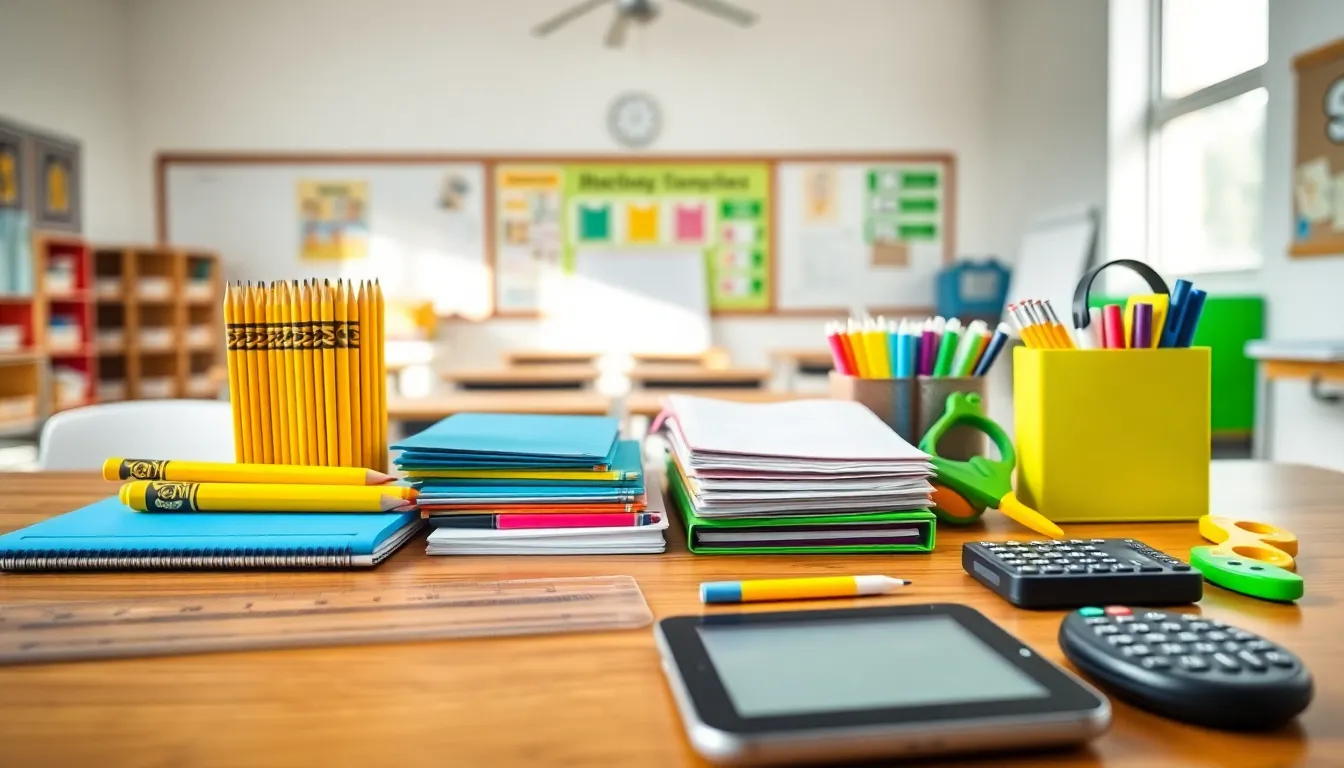
Elementary school tools form the foundation of a child’s learning experience. From pencils to tablets, these supplies help young students develop skills they’ll use for the rest of their lives.
Parents and teachers know the challenge: figuring out exactly what students need in their backpacks each year. The right elementary school tools make assignments easier, classroom activities smoother, and learning more enjoyable. They also teach kids responsibility and organization from an early age.
This guide covers the essential supplies every elementary student needs. It breaks down writing materials, math tools, storage solutions, technology, and art supplies into simple categories. Whether preparing for the first day of kindergarten or restocking mid-year, this list will help families get organized.
Table of Contents
ToggleKey Takeaways
- Elementary school tools like pencils, erasers, and rulers form the foundation of daily classroom learning and skill development.
- Organizing supplies with backpacks, folders, and pencil cases helps students build responsibility and keeps materials in good condition.
- Math-specific tools such as rulers, protractors, and manipulatives make abstract concepts easier for young learners to understand.
- Technology tools like tablets, headphones, and protective cases are increasingly essential—check with teachers before purchasing.
- Age-appropriate art supplies, including safety scissors and washable paints, support creativity and fine motor skill development.
- Color-coding folders and using planners teach children time management and organizational habits early.
Essential Writing and Drawing Supplies
Writing and drawing supplies rank among the most important elementary school tools. Students use them daily for nearly every subject.
Pencils remain the workhorse of any supply list. Number 2 pencils work best for standardized tests and everyday writing. Mechanical pencils suit older elementary students who can handle the smaller lead. A good pencil sharpener, either handheld with a shavings catcher or electric, keeps points ready for work.
Erasers come in several styles. Pink block erasers remove mistakes cleanly without tearing paper. Cap erasers fit on pencil ends for quick fixes. Art gum erasers work well for lighter marks.
Crayons serve younger students particularly well. The classic 24-pack covers most coloring needs, though larger sets offer more creative options. Thick crayons help small hands grip better.
Colored pencils work for older elementary students ready for more detailed work. They blend better than crayons and don’t break as easily.
Markers add variety to projects. Washable markers save clothes and desks from permanent stains. Fine-tip markers work for detailed drawings, while broad-tip versions fill large areas quickly.
Pens typically enter the picture around third or fourth grade. Blue and black ink pens handle most assignments. Some teachers prefer students use erasable pens while learning proper handwriting.
Math and Measurement Tools
Math requires specific elementary school tools that help students understand numbers and shapes.
Rulers teach measurement basics. A 12-inch ruler with both inches and centimeters printed on it covers most needs. Clear rulers let students see their work underneath. Flexible rulers survive drops and rough handling better than wooden ones.
Protractors measure angles in geometry lessons. Most students encounter these around fourth or fifth grade. Clear plastic versions show the lines beneath them clearly.
Compasses draw perfect circles for geometry work. Student-safe compasses use pencil tips instead of sharp metal points. They help kids understand radius and diameter concepts.
Calculators vary by grade level. Basic four-function calculators work for younger students learning addition, subtraction, multiplication, and division. Scientific calculators support more advanced work in upper elementary grades. Many schools specify which type they want students to use.
Manipulatives make abstract math concepts concrete. Base-ten blocks teach place value. Fraction tiles show how parts make wholes. Counting cubes help with basic operations. Many teachers supply these in classrooms, but home sets reinforce learning.
Graph paper helps students keep numbers aligned in columns. This simple tool prevents many calculation errors, especially during long division or multiplication problems.
Organization and Storage Essentials
Good organization tools keep elementary school tools accessible and in good condition.
Backpacks carry everything to and from school. Look for padded straps and back panels for comfort. Multiple compartments help separate books, lunch, and supplies. Water bottle pockets prevent spills on papers. Size matters, a kindergartener’s backpack should be smaller than a fifth grader’s.
Pencil cases and pouches protect writing tools and small items. Zippered pouches fit inside binders or backpacks. Hard cases prevent pencil points from breaking. Clear cases let students find items quickly.
Folders organize papers by subject. Two-pocket folders hold handouts and completed work separately. Plastic folders last longer than paper ones. Color-coding by subject helps students stay organized, blue for math, red for reading, and so on.
Binders collect materials for multiple subjects. Three-ring binders with dividers work well for older elementary students. Smaller binders (one-inch) suit most elementary needs better than thick ones.
Notebooks vary by purpose. Wide-ruled paper fits younger students’ larger handwriting. College-ruled works for older kids. Composition books hold pages securely, while spiral notebooks allow easy page removal. Some schools require specific types.
Planners and assignment books teach time management early. Daily planners help students track assignments and due dates. Many schools provide these, but having a backup at home helps families stay informed.
Technology Tools for Modern Classrooms
Technology has changed which elementary school tools students need today.
Tablets and laptops appear in many elementary classrooms. Some schools provide devices: others expect families to supply them. Chromebooks remain popular for their low cost and simple operation. iPads offer touch-screen learning apps that engage young students.
Headphones let students listen to educational content without disturbing classmates. Over-ear headphones fit kids better than adult-sized models. Wired headphones avoid battery concerns and Bluetooth pairing issues. Volume-limiting headphones protect young ears from damage.
USB drives store and transfer files. Even with cloud storage, a physical backup proves useful. Small-capacity drives (8-16GB) cost little and hold plenty of schoolwork.
Styluses help younger students interact with tablets. Small fingers sometimes struggle with precise touch-screen taps. A child-sized stylus makes drawing and writing apps easier to use.
Charging cables keep devices running. Extra cables at home prevent morning scrambles when a device dies overnight. Label cables with the student’s name to prevent mix-ups at school.
Protective cases save tablets and laptops from drops and spills. Kids are hard on electronics. A good case adds bulk but extends device life significantly. Screen protectors prevent scratches on displays.
Not every family needs all these items. Check with teachers about which technology elementary school tools the classroom requires before purchasing.
Art and Craft Supplies
Creative projects require their own set of elementary school tools.
Scissors top the list. Safety scissors with blunt tips suit younger students. As coordination improves, kids can move to pointed scissors. Left-handed scissors make cutting easier for lefties, regular scissors actually fight against their natural motion.
Glue comes in several forms. Glue sticks work cleanly for paper projects and dry quickly. White school glue handles heavier materials like fabric and popsicle sticks. Glue dots and tape runners offer mess-free alternatives.
Construction paper provides the base for countless projects. A variety pack with multiple colors covers most needs. Cardstock offers sturdier options for three-dimensional creations.
Watercolor paints introduce students to painting basics. Washable watercolors clean up easily from clothes and desks. A simple eight-color set works for most elementary projects.
Paint brushes in various sizes let students work on different scales. Flat brushes cover large areas. Round brushes handle details. Inexpensive brush sets provide enough variety without major investment.
Modeling clay builds fine motor skills while kids create. Air-dry clay works for permanent projects. Reusable clay like plasticine suits practice and play.
Craft sticks, pipe cleaners, and pom-poms support creative building. Teachers often request these items for specific projects throughout the year. Keeping a small stash at home supports assignments projects too.