Elementary school techniques shape how children learn, grow, and develop critical skills. Teachers use these methods daily to help young students build strong academic foundations. The right techniques turn ordinary classrooms into spaces where curiosity thrives and learning sticks.
Research shows that effective elementary school techniques improve student outcomes across reading, math, and science. They also build confidence and social skills that last a lifetime. This article explores proven methods that educators and parents can apply to support young learners.
Table of Contents
ToggleKey Takeaways
- Effective elementary school techniques improve student outcomes in academics while building confidence and social skills that last a lifetime.
- A well-designed classroom environment with intentional color choices, flexible seating, and clear routines creates better focus and fewer behavior issues.
- Active learning strategies like hands-on activities, think-pair-share, and movement breaks help students retain information far better than passive listening.
- Differentiated instruction through learning stations, tiered assignments, and choice boards allows teachers to meet diverse learners where they are.
- Elementary school techniques that build social-emotional skills—including morning meetings, mindfulness practices, and growth mindset language—directly support academic success.
- Technology works best as a supplement to personalize learning, not as a replacement for direct human teaching and connection.
Creating an Engaging Classroom Environment
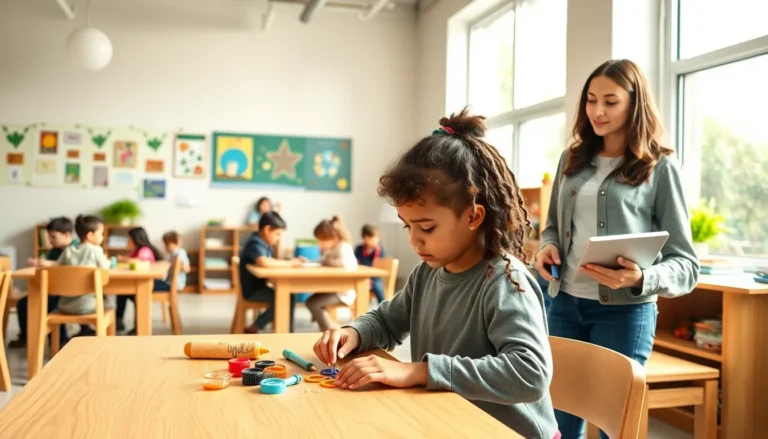
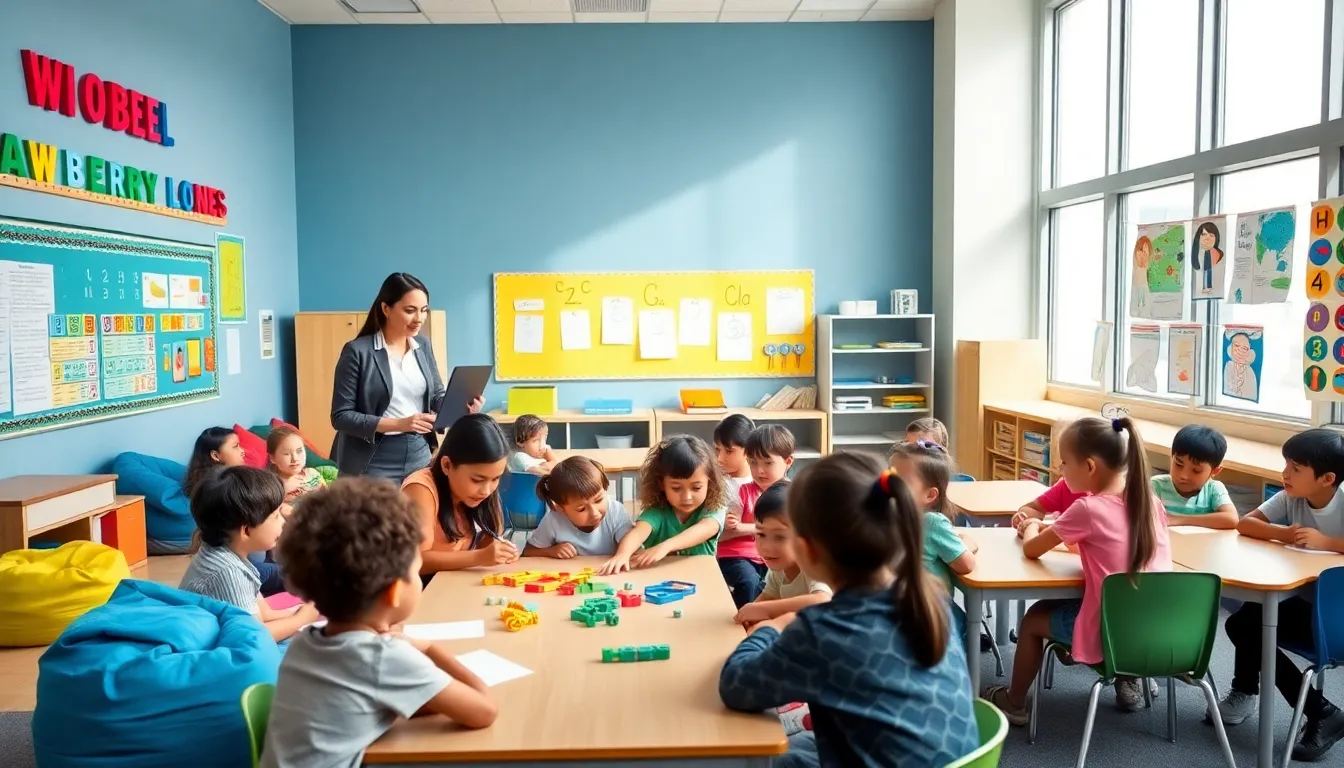
A well-designed classroom makes learning easier. Elementary school techniques start with the physical space where students spend their days. Teachers who organize their classrooms with intention see better focus and fewer behavior problems.
Color matters more than most people realize. Studies show that blue and green tones promote calm focus, while pops of yellow can spark creativity. Smart teachers use this knowledge to design reading corners with cooler colors and art stations with warmer ones.
Seating arrangements also affect how students learn. Traditional rows work for lectures, but cluster seating encourages collaboration. Many elementary teachers now use flexible seating, bean bags, standing desks, and floor cushions give students choices. Kids who can choose where they sit often show better engagement.
Visual displays serve as teaching tools, not just decoration. Word walls help students build vocabulary. Number lines support math learning. Student work on display builds pride and motivation. The key is keeping displays fresh and relevant to current lessons.
Noise levels need active management. Some elementary school techniques involve teaching students hand signals for different volume levels. A “level zero” means silence, while “level two” allows partner discussion. These systems give students clear expectations without constant reminders from the teacher.
Finally, classroom routines create predictability. Young learners feel secure when they know what comes next. Morning meetings, transition songs, and end-of-day reflections give structure to the school day. This structure frees mental energy for actual learning.
Active Learning Strategies That Work
Passive listening rarely produces lasting learning. The best elementary school techniques get students actively involved in their education. When kids do something with information, they remember it.
Hands-on activities transform abstract concepts into concrete experiences. Math manipulatives, blocks, counters, fraction tiles, let students touch and move objects while they calculate. Science experiments turn textbook facts into discoveries. Even language arts benefits from tactile learning through letter tiles and sentence strips.
Think-pair-share remains one of the most effective elementary school techniques. The teacher poses a question. Students think alone for a moment. Then they discuss with a partner before sharing with the class. This simple structure ensures every student engages, not just the eager hand-raisers.
Movement breaks serve learning, not just energy release. Brain research confirms that physical activity boosts cognitive function. Smart teachers build movement into lessons. Students might act out vocabulary words, walk to different stations, or do jumping jacks between subjects.
Games and competition motivate young learners. Spelling bees, math races, and trivia contests make practice feel like play. Digital tools like Kahoot and Quizlet Live add technology to the mix. The competitive element increases attention and effort.
Project-based learning takes active involvement further. Instead of worksheets, students create products, books, presentations, models, or performances. A unit on community helpers might end with students interviewing local workers and presenting their findings. These projects build research, communication, and critical thinking skills alongside content knowledge.
Storytelling captures attention like nothing else. Teachers who frame lessons as stories see better retention. A history lesson becomes an adventure. A math problem becomes a mystery to solve. Elementary school techniques that use narrative tap into how human brains naturally process information.
Differentiated Instruction for Diverse Learners
Every classroom contains students with different abilities, backgrounds, and learning styles. Effective elementary school techniques account for this diversity. Differentiation means meeting students where they are.
Learning stations allow teachers to address multiple skill levels at once. While one group works with the teacher on a challenging concept, another group practices independently, and a third explores enrichment activities. Students rotate through stations, getting instruction matched to their needs.
Tiered assignments offer another solution. All students work toward the same learning goal, but the path differs. Struggling readers might use picture supports. Advanced students might tackle extension questions. The core content stays consistent while the difficulty adjusts.
Choice boards give students agency. A board might offer nine different ways to demonstrate understanding of a topic. One student writes a report. Another creates a poster. A third builds a model. When students choose how they learn and show knowledge, motivation increases.
Small group instruction provides targeted support. Teachers pull groups of three to five students for focused lessons. These groups change based on skill needs, a student might join the advanced math group but need extra support in reading. Flexibility keeps groupings from becoming labels.
Elementary school techniques for diverse learners also include scaffolding. Teachers break complex tasks into smaller steps. They provide models and examples. Graphic organizers help students structure their thinking. Sentence starters support writing. These supports gradually fade as students gain independence.
Technology enables personalization at scale. Adaptive programs adjust difficulty based on student responses. Digital tools track progress and identify gaps. Teachers use this data to plan targeted instruction. But, technology works best as a supplement, not a replacement for human teaching.
Building Social and Emotional Skills
Academic skills matter, but so do social and emotional skills. Research shows that students with strong emotional regulation perform better academically. Elementary school techniques now include explicit instruction in these areas.
Morning meetings build community. Students greet each other by name. They share news from their lives. They participate in a group activity. These daily rituals create belonging and connection. Students who feel connected to their classroom behave better and learn more.
Conflict resolution skills need direct teaching. Teachers model how to use “I statements” and active listening. Role-playing gives students practice before real conflicts arise. Many schools use specific programs like Second Step or Responsive Classroom to structure this instruction.
Mindfulness practices help students manage stress and attention. Even five minutes of deep breathing or guided visualization can reset a restless classroom. Some teachers use mindfulness jars, glitter settling in water represents thoughts settling in the mind. These elementary school techniques give students tools they can use throughout life.
Growth mindset language shapes how students view challenges. Instead of praising intelligence (“You’re so smart.”), teachers praise effort and strategy (“You worked hard on that problem.”). This shift helps students see struggle as part of learning, not evidence of inability.
Collaborative projects build teamwork skills. Students learn to divide tasks, communicate clearly, and resolve disagreements. These group experiences prepare students for real-world work where collaboration is essential.
Emotional vocabulary development helps students name their feelings. Charts showing different emotions give students language for their internal experiences. When students can say “I feel frustrated” instead of acting out, classroom management improves.