Elementary school strategies shape how young students learn, grow, and develop confidence in the classroom. Teachers who apply proven methods see better engagement, stronger academic outcomes, and fewer behavioral issues. The right approach can transform a struggling student into an eager learner.
This guide covers practical techniques that work. From classroom setup to parent communication, these strategies give educators actionable tools they can use immediately. Whether a teacher has twenty years of experience or just started their career, these methods deliver real results.
Table of Contents
ToggleKey Takeaways
- Effective elementary school strategies focus on creating positive learning environments where students feel safe, welcomed, and encouraged to learn from mistakes.
- Proactive classroom management—including clear expectations, positive reinforcement, and smooth transitions—prevents most behavioral issues before they start.
- Differentiated instruction through varied content, processes, and products ensures all students can access learning at their level and demonstrate understanding in their own way.
- Strong home-school connections, built through regular communication and positive parent contact, significantly improve student grades, attendance, and behavior.
- Simple classroom adjustments like visual supports, daily routines, and flexible grouping help students self-regulate and stay engaged throughout the school day.
Creating a Positive Learning Environment
A positive learning environment forms the foundation of effective elementary school strategies. Students who feel safe and welcomed perform better academically. They also develop stronger social skills and self-esteem.
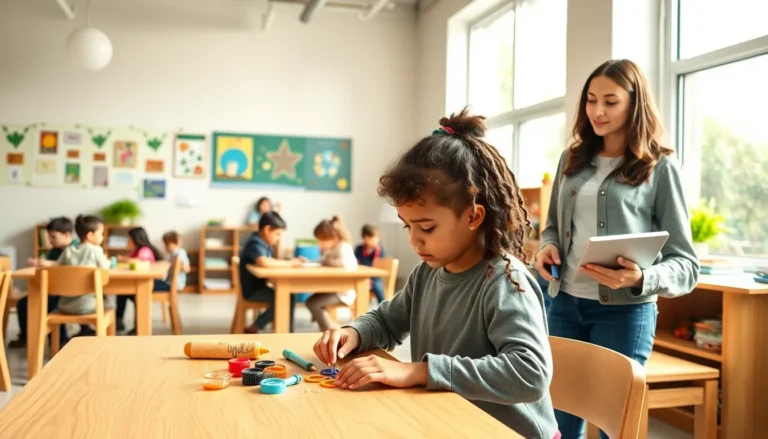
Physical space matters more than many educators realize. Classrooms should have clear organization, accessible materials, and designated areas for different activities. A reading corner with comfortable seating invites students to engage with books. A collaboration station encourages group work. Simple changes like natural lighting and reduced clutter can improve focus and reduce anxiety.
Emotional safety proves equally important. Students need to know their classroom accepts mistakes as part of learning. Teachers can build this culture by celebrating effort alongside achievement. When a student struggles with a math problem, acknowledging their persistence teaches resilience.
Daily routines create predictability that young learners crave. Morning meetings, consistent transitions, and end-of-day reflections help students understand expectations. These elementary school strategies reduce anxiety because children know what comes next.
Peer relationships shape the classroom atmosphere significantly. Teachers can foster positive connections through structured partner activities and cooperative games. When students feel connected to classmates, they engage more willingly with academic content.
Visual supports reinforce behavioral expectations without constant verbal reminders. Charts showing classroom rules, schedules posted at eye level, and visual timers help students self-regulate. These tools work especially well for visual learners and students with attention challenges.
Effective Classroom Management Techniques
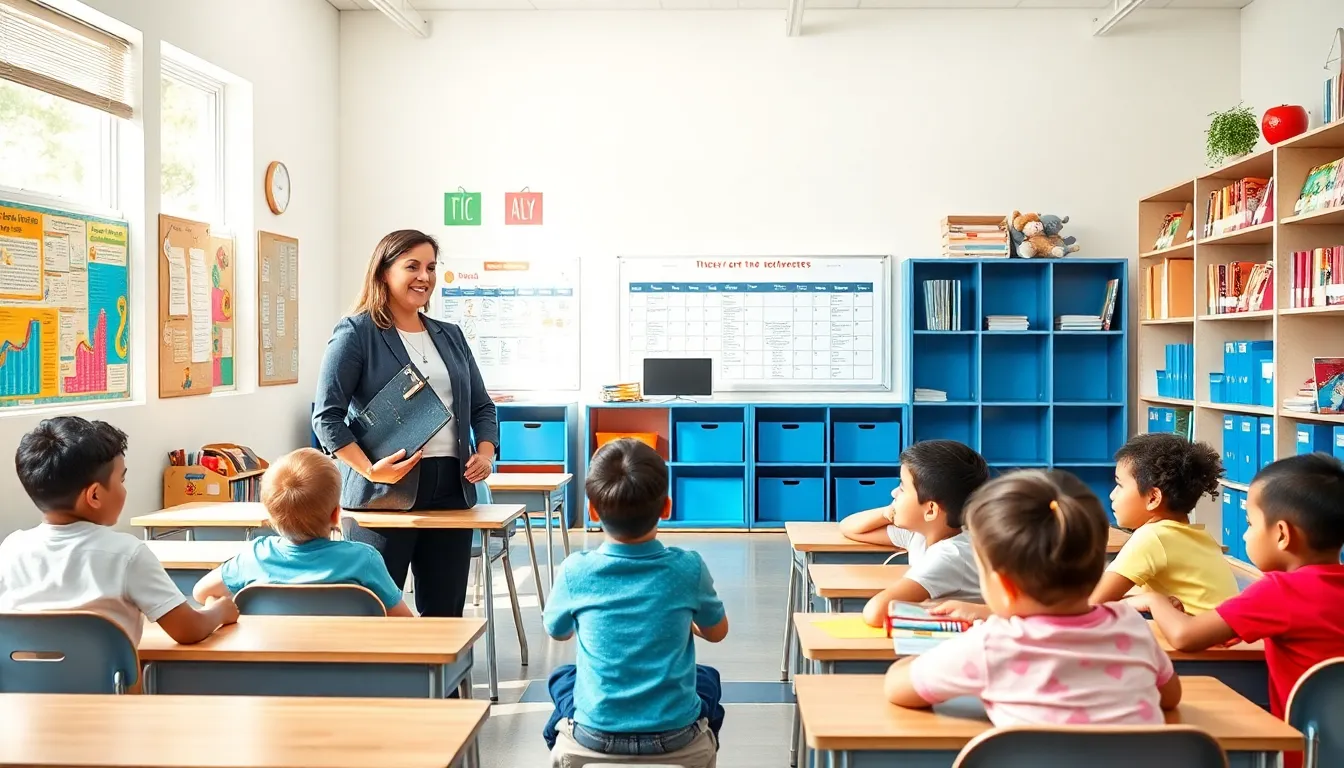
Strong classroom management makes every other teaching strategy more effective. Without it, even the best lesson plans fall apart. Elementary school strategies for management focus on prevention rather than reaction.
Proactive planning eliminates most behavioral issues before they start. Teachers should anticipate trouble spots, transitions, unstructured time, challenging content, and prepare accordingly. A five-minute buffer activity prevents chaos when lessons end early. Clear instructions given before materials are distributed stop confusion.
Positive reinforcement outperforms punishment consistently. Catching students doing the right thing and acknowledging it encourages repetition of good behavior. Specific praise works better than generic comments. “I noticed you helped your partner find the right page” teaches more than “Good job.”
Consistent consequences build trust and fairness. Students accept discipline more readily when rules apply equally to everyone. Teachers should establish clear expectations at the year’s start and follow through every time. Empty threats destroy credibility quickly.
Nonverbal cues preserve lesson flow while addressing minor disruptions. A look, a gesture, or strategic proximity often redirects behavior without stopping instruction. These elementary school strategies keep the class moving forward.
Transition times cause the most behavioral problems in elementary classrooms. Effective teachers use songs, countdowns, or challenge games to move students between activities smoothly. “Let’s see if we can get to our reading spots before I count to ten” turns potential chaos into focused movement.
Relationship-building prevents many discipline issues entirely. Students behave better for teachers they respect and feel connected to. Brief personal conversations, remembering details about students’ lives, and showing genuine interest pay dividends throughout the year.
Differentiated Instruction for Diverse Learners
Every classroom contains students with different abilities, backgrounds, and learning preferences. Differentiated instruction addresses this reality through flexible teaching approaches. These elementary school strategies ensure all students can access grade-level content.
Content differentiation adjusts what students learn based on readiness. A teacher might provide different reading materials on the same topic, some at grade level, some simplified, some advanced. All students explore the same concept while working with appropriate texts.
Process differentiation changes how students engage with material. Some learners grasp concepts through hands-on activities. Others prefer visual diagrams or verbal explanations. Offering multiple pathways to understanding reaches more students. A lesson on fractions might include manipulatives, drawings, and number lines simultaneously.
Product differentiation allows students to demonstrate learning in various ways. Instead of requiring every student to write an essay, teachers can offer choices: create a poster, record a video, build a model, or give a presentation. This approach reveals true understanding while accommodating different strengths.
Flexible grouping prevents tracking students into permanent ability categories. Groups should change based on the skill being taught. A student might work in an advanced reading group but need support in math. Elementary school strategies that rotate groupings keep expectations high for everyone.
Formative assessment drives effective differentiation. Quick checks, exit tickets, thumbs up/down, whiteboard responses, show teachers who understands and who needs more help. This information guides instruction the next day.
Technology supports differentiation when used thoughtfully. Adaptive programs adjust difficulty automatically. Audio versions of texts help struggling readers. Video lessons allow students to review concepts at their own pace. These tools extend the teacher’s ability to meet individual needs.
Building Strong Home-School Connections
Parents and teachers working together produce better outcomes than either can achieve alone. Strong home-school connections represent one of the most powerful elementary school strategies available. Research consistently shows that family involvement improves grades, attendance, and behavior.
Communication forms the backbone of this partnership. Teachers should establish clear channels from day one, email, apps, phone calls, or paper notes. The method matters less than the consistency. Regular updates about classroom activities help parents support learning at home.
Positive contact builds relationships before problems arise. Calling a parent to share good news creates goodwill. When difficulties come later, that foundation makes hard conversations easier. Many teachers set goals for positive contacts each week.
Parent conferences require preparation and clear goals. Teachers should gather specific examples of student work, identify two or three focus areas, and prepare questions about the child’s life outside school. Listening matters as much as sharing information during these meetings.
Family engagement events bring parents into the school community. Math nights, literacy celebrations, and science fairs let families participate in their children’s education directly. These elementary school strategies work especially well for parents uncomfortable with traditional conferences.
Cultural responsiveness strengthens connections with diverse families. Teachers should learn about the communities they serve, respect different parenting styles, and communicate in families’ home languages when possible. Assuming all families value education, while recognizing they may express support differently, prevents misunderstandings.
Volunteer opportunities give parents meaningful roles in the classroom. Reading with students, preparing materials, or sharing career experiences benefit everyone. Parents gain insight into school life while students see adults investing in their education.