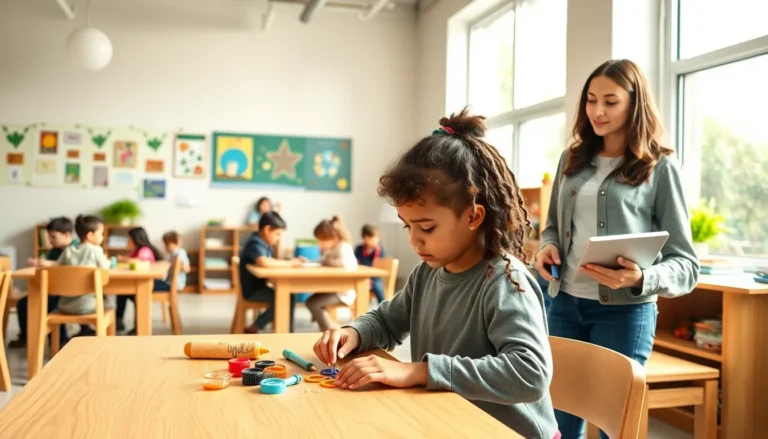
This elementary school guide covers what parents need to know about their child’s first major academic experience. Elementary school shapes how children learn, socialize, and grow. Parents play a critical role in helping kids succeed during these formative years. This guide breaks down the basics, from curriculum to school selection to daily preparation. Whether a child is entering kindergarten or finishing fifth grade, these insights will help families make informed decisions.
Table of Contents
ToggleKey Takeaways
- Elementary school covers kindergarten through fifth or sixth grade and builds the foundation for all future learning, including reading, writing, and math skills.
- When choosing an elementary school, visit campuses in person to observe classroom dynamics and ask about class sizes, support systems, and parent communication.
- Establishing consistent routines, daily reading habits, and a dedicated homework space at home significantly boosts a child’s academic success.
- Maintain regular communication with teachers throughout the year to catch potential issues early rather than waiting for report cards.
- Balance extracurricular activities with free play time, especially in upper elementary grades, to prevent overscheduling and stress.
- This elementary school guide emphasizes that parents should stay flexible and adjust their support strategies as academic and social demands increase each year.
What Is Elementary School?
Elementary school typically covers kindergarten through fifth or sixth grade, depending on the school district. Students usually range from 5 to 11 years old. This stage introduces foundational academic skills, social development, and structured learning environments.
Most elementary schools operate on a traditional schedule, running from early morning to mid-afternoon. Students spend the majority of their day with one primary teacher, though they may rotate for subjects like art, music, or physical education.
The elementary school years build the groundwork for all future education. Children learn to read, write, and perform basic math operations. They also develop critical thinking skills and learn how to work with peers. These years matter because they shape attitudes toward learning that often last a lifetime.
Elementary schools come in several forms: public, private, charter, and magnet schools. Each type offers different benefits. Public schools are free and follow state curriculum standards. Private schools may offer specialized programs but require tuition. Charter schools operate independently but receive public funding. Magnet schools focus on specific areas like STEM or the arts.
Key Subjects and Curriculum
An elementary school guide wouldn’t be complete without covering what children actually learn. Core subjects include English language arts, mathematics, science, and social studies. Most schools also offer physical education, art, and music.
English Language Arts
Reading and writing form the backbone of elementary education. Students progress from letter recognition to reading chapter books independently. Writing instruction moves from basic sentences to structured paragraphs and short essays. By fifth grade, most students can analyze texts and write opinion pieces.
Mathematics
Math instruction starts with counting and number recognition. Students advance through addition, subtraction, multiplication, and division. Upper elementary grades introduce fractions, decimals, and basic geometry. Problem-solving skills receive increasing emphasis as students progress.
Science and Social Studies
Science classes cover life science, earth science, and physical science basics. Students conduct simple experiments and learn the scientific method. Social studies introduces geography, history, civics, and economics at age-appropriate levels. Many schools integrate these subjects with reading and writing activities.
Specials and Enrichment
Most elementary schools include “specials”, classes like art, music, physical education, and sometimes foreign languages. These subjects support whole-child development and give students breaks from core academics. Some schools offer technology classes, coding instruction, or library skills programs.
How to Choose the Right Elementary School
Selecting an elementary school requires research and careful consideration. Parents should start by identifying their priorities. Academic performance, class size, location, and extracurricular offerings all matter.
School ratings provide one useful data point. Websites like GreatSchools.org publish test scores and parent reviews. But, ratings don’t tell the whole story. A school with lower test scores might excel at supporting diverse learners or offer exceptional arts programs.
Visiting schools in person reveals details that websites can’t capture. Parents should observe classroom dynamics, teacher-student interactions, and the overall school culture. Questions to ask include:
- What is the average class size?
- How does the school handle students who need extra support?
- What communication systems exist between teachers and parents?
- How much assignments can students expect?
Location matters for practical reasons. A nearby school makes drop-off easier and allows children to attend with neighborhood friends. But a slightly farther school might offer programs that better match a child’s needs.
Parents should also consider their child’s personality. Some children thrive in structured environments. Others need more flexibility and movement. Matching a school’s approach to a child’s learning style sets everyone up for success.
Preparing Your Child for Success
Success in elementary school starts at home. Parents can take concrete steps to help their children thrive academically and socially.
Establish Routines
Consistent bedtimes and morning routines reduce stress and improve focus. Children need 9 to 12 hours of sleep per night. A predictable schedule helps kids feel secure and ready to learn.
Read Together Daily
Reading aloud builds vocabulary, comprehension, and a love of books. Even after children can read independently, shared reading time strengthens bonds and exposes kids to more complex texts.
Create a Assignments Space
A quiet, organized area for schoolwork helps children concentrate. Stock it with basic supplies, pencils, paper, and a good light source. Limit distractions during assignments time.
Communicate with Teachers
Parents who maintain regular contact with teachers catch problems early. Attending parent-teacher conferences, reading newsletters, and responding to teacher messages keeps everyone aligned. Don’t wait for report cards to check on progress.
Encourage Independence
Elementary school students learn responsibility gradually. Let children pack their own backpacks, manage simple tasks, and solve minor problems independently. These skills build confidence and prepare kids for middle school.
Handling the Elementary School Years
The elementary school journey spans six or seven years. Children change dramatically during this time. Parents should expect shifts in friendships, interests, and academic challenges.
Social dynamics grow more complex as children age. Kindergartners play with anyone nearby. By fourth grade, cliques and social hierarchies emerge. Parents can help by teaching empathy, conflict resolution, and self-advocacy skills.
Academic demands increase each year. What worked in second grade might not work in fifth. Stay flexible and adjust support as needed. Some children need more help with reading: others struggle with math. An elementary school guide can only go so far, parents know their children best.
Extracurricular activities become more available in upper elementary grades. Sports, clubs, and after-school programs offer chances to explore interests and build friendships. Balance matters, though. Overscheduled children may feel stressed and lose time for free play.
Transitions mark key moments in elementary school. Starting kindergarten brings nervousness and excitement. Moving to a new school requires adjustment. Preparing for middle school creates both anticipation and anxiety. Parents can ease these transitions by talking openly, visiting new environments, and validating children’s feelings.