
Alternative education vs traditional education represents one of the most significant choices parents face today. Both approaches offer distinct paths to learning, and each comes with unique strengths and limitations. Traditional schools follow standardized curricula and structured schedules. Alternative education programs prioritize flexibility, individualized learning, and non-conventional methods. This article breaks down the key differences between alternative education vs traditional schooling. Parents and guardians will gain clarity on teaching methods, benefits, drawbacks, and how to select the right educational path for their child.
Table of Contents
ToggleKey Takeaways
- Alternative education vs traditional education differs most in structure, flexibility, and how students are assessed—alternative programs prioritize individualized learning while traditional schools follow standardized curricula.
- Common alternative education options include Montessori, Waldorf, homeschooling, democratic schools, and online learning platforms.
- Traditional education offers consistency, social opportunities, and free access through public schools, but may lack personalization for diverse learners.
- Alternative education provides flexibility and reduced testing pressure, though it often requires more financial resources or parental time.
- When choosing between alternative education vs traditional schooling, evaluate your child’s learning style, family resources, local availability, and long-term academic goals.
- Most colleges accept students from alternative education backgrounds, but families should research admission requirements and documentation needs early.
What Is Alternative Education?
Alternative education refers to educational approaches that differ from mainstream public or private schooling. These programs reject the one-size-fits-all model and focus on individual student needs.
Common forms of alternative education include:
- Montessori schools – Students learn through hands-on activities and self-directed exploration.
- Waldorf schools – Emphasis on creativity, arts, and imaginative play.
- Homeschooling – Parents teach children at home using various curricula.
- Democratic schools – Students participate in decision-making about their education.
- Online schools – Instruction happens through digital platforms.
Alternative education vs traditional schooling differs most in structure. Traditional education follows a set curriculum, grade levels, and standardized testing. Alternative education often allows students to progress at their own pace.
Many alternative education programs emerged from dissatisfaction with traditional methods. Maria Montessori developed her approach in the early 1900s after observing how children learn naturally. Rudolf Steiner created Waldorf education to nurture the whole child, head, heart, and hands.
Today, approximately 3.3 million students in the United States are homeschooled, according to the National Center for Education Statistics. This number has grown significantly over the past two decades. Parents choose alternative education for various reasons: religious beliefs, concerns about school safety, special learning needs, or a desire for more personalized instruction.
Core Differences in Teaching Methods
The debate around alternative education vs traditional education centers largely on how teachers deliver instruction.
Classroom Structure
Traditional classrooms typically seat 20-30 students facing a teacher. The teacher lectures, assigns work, and grades assignments. Students move through subjects on a fixed schedule.
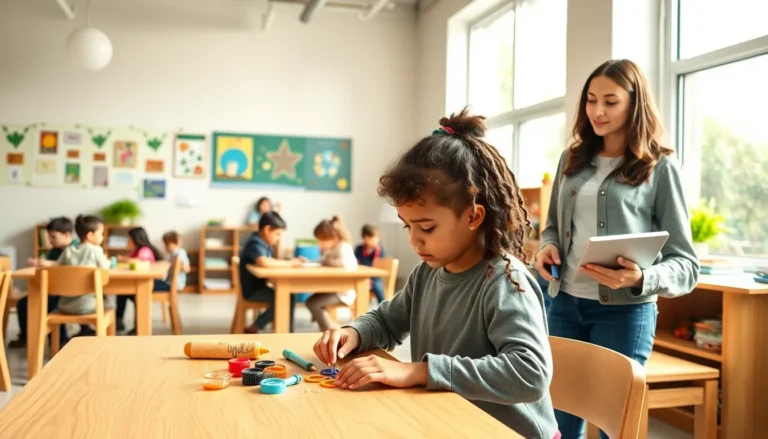
Alternative education classrooms look different. A Montessori classroom might have mixed-age groups working on various activities simultaneously. A democratic school might not have a “classroom” at all, students could be outdoors, in workshops, or in small discussion groups.
Curriculum and Assessment
Traditional schools use standardized curricula aligned with state requirements. Students take regular tests, and grades determine progress. This approach ensures consistency across schools and districts.
Alternative education vs traditional methods diverge sharply here. Many alternative programs reject standardized testing entirely. They assess students through portfolios, projects, presentations, or narrative evaluations. Some alternative schools don’t use grades at all.
Teacher-Student Relationships
In traditional settings, teachers serve as authority figures who direct learning. They deliver content, manage behavior, and evaluate performance.
Alternative education often positions teachers as guides or facilitators. The teacher observes student interests and supports self-directed learning. Student voice plays a larger role in what and how they learn.
Pace of Learning
Traditional education moves students through material at a predetermined pace. A third-grader studies third-grade math, regardless of ability.
Alternative education vs traditional schooling shows a major split here. Alternative programs frequently allow students to advance quickly in strong areas while taking more time in challenging subjects. A child might work at a fifth-grade reading level while studying third-grade math.
Benefits and Drawbacks of Each Approach
Understanding alternative education vs traditional education requires an honest look at what each offers, and where each falls short.
Benefits of Traditional Education
- Consistency – Students receive a standardized education that transfers easily between schools.
- Social opportunities – Large class sizes provide interaction with diverse peer groups.
- Preparation for mainstream systems – Students learn to work within structured environments.
- Accountability – Testing and grades provide clear benchmarks.
- Accessibility – Public schools are free and available in most communities.
Drawbacks of Traditional Education
- Limited individualization – Teachers can’t always address each student’s unique needs.
- Test-focused instruction – Teaching to the test can limit creative exploration.
- Rigid scheduling – Students must conform to fixed schedules regardless of learning style.
- One-size-fits-all approach – Advanced learners may feel bored: struggling students may fall behind.
Benefits of Alternative Education
- Personalized learning – Instruction adapts to individual student needs and interests.
- Flexibility – Schedules and curricula can shift based on student progress.
- Reduced pressure – Less emphasis on grades and testing can lower student anxiety.
- Creativity focus – Many programs prioritize arts, hands-on learning, and critical thinking.
Drawbacks of Alternative Education
- Cost – Private alternative schools can be expensive. Homeschooling requires significant parent time.
- Limited availability – Not every community has alternative education options.
- Social concerns – Smaller settings may limit peer interaction.
- College preparation questions – Some families worry about how alternative credentials translate to college admissions.
Research on alternative education vs traditional outcomes shows mixed results. A 2020 study in the Journal of School Choice found homeschooled students scored 15-30 percentile points higher on standardized tests. But, critics note selection bias, families who homeschool often have more resources.
How to Choose the Right Path for Your Child
Selecting between alternative education vs traditional education depends on several factors specific to each family and child.
Consider Your Child’s Learning Style
Some children thrive with structure and clear expectations. They like knowing what comes next. Traditional education works well for these students.
Other children learn best through exploration and hands-on activities. They resist sitting still for lectures. Alternative education vs traditional methods comparison suggests these learners often do better in flexible environments.
Evaluate Your Family’s Resources
Alternative education often costs money or time. Private Montessori schools charge tuition. Homeschooling requires a parent to dedicate significant hours. Online schools need reliable internet access and supervision.
Traditional public schools remain free and accessible. This matters for many families.
Research Available Options
Not all communities offer the same choices. Urban areas typically have more alternative education programs. Rural families may find traditional public school is the only practical option.
Visit schools. Talk to teachers and current families. Ask about curriculum, assessment methods, and student outcomes.
Think About Social Needs
Children need peer interaction. Traditional schools provide built-in social opportunities through classrooms, sports, and clubs.
Alternative education vs traditional schooling differs here. Homeschooled students often join co-ops, sports leagues, or community groups to meet social needs. Parents must actively create these opportunities.
Plan for the Future
Consider how each path affects college and career options. Most colleges accept students from alternative backgrounds, but families should research admission requirements. Some alternative schools provide transcripts and recommendations that translate easily. Others require additional documentation.