Alternative education trends 2026 are reshaping how students learn outside traditional classroom settings. Parents, educators, and policymakers are paying close attention to these shifts. The demand for flexible, student-centered learning options continues to grow across the United States.
Several factors drive this momentum. Families want more control over curriculum choices. Technology makes personalized instruction more accessible than ever. And many students thrive in environments that differ from conventional schools.
This article explores the key alternative education trends 2026 will bring. From microschools to AI-driven platforms, these approaches are changing education at every level. Here’s what to expect in the year ahead.
Table of Contents
ToggleKey Takeaways
- Alternative education trends 2026 include microschools, AI-powered learning, hybrid models, and skills-based programs that prioritize flexibility and personalization.
- Microschools and learning pods are projected to serve over 2 million U.S. students by 2026, offering small-group settings with lower student-to-teacher ratios.
- AI-powered platforms like Khanmigo and Synthesis provide real-time adaptive learning, giving students personalized instruction and immediate feedback.
- Hybrid schooling models blend in-person and online learning, giving families control over schedules while maintaining social interaction.
- Skills-based education measures student mastery rather than seat time, allowing learners to earn industry certifications alongside academic credentials.
- States like Arizona, Florida, and Texas are expanding education savings accounts, enabling families to mix and match alternative education services.
The Rise Of Microschools And Learning Pods
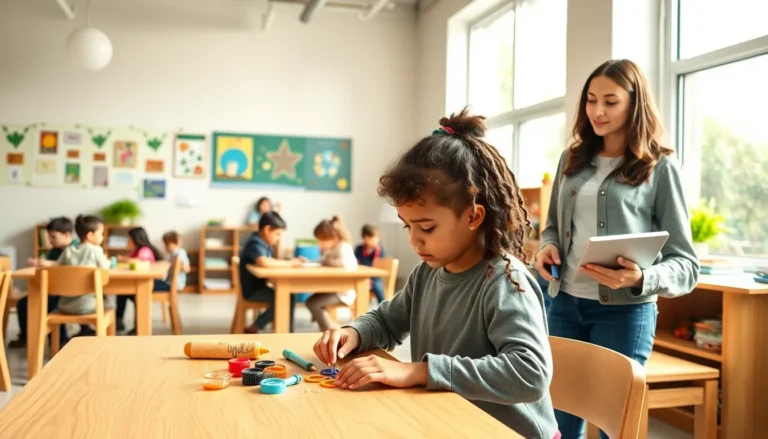
Microschools and learning pods represent one of the most significant alternative education trends 2026 will see expand. These small-group learning environments typically serve 5 to 15 students. They offer intimate settings where instruction can adapt to individual needs.
The pandemic accelerated interest in microschools. But the movement has grown well beyond emergency arrangements. By 2026, estimates suggest over 2 million students in the U.S. will participate in some form of microschool or pod setup.
What makes these models appealing? Several things stand out:
- Lower student-to-teacher ratios allow for more focused attention
- Flexible curricula let families choose content that aligns with their values
- Community-based settings create strong social bonds among students
- Cost efficiency compared to traditional private schools
Tech platforms now connect families with certified teachers willing to lead pods. Services like Prenda, SchoolHouse, and KaiPod Learning have scaled rapidly. They handle administrative tasks so educators can focus on teaching.
Microschools also attract teachers burned out by large classroom sizes. Many experienced educators are leaving district schools to work in these smaller settings. They report higher job satisfaction and better student outcomes.
For alternative education trends 2026, microschools represent a return to something old made new. Small-group learning isn’t revolutionary. But modern technology and shifting parent preferences have given it fresh relevance.
AI-Powered Personalized Learning
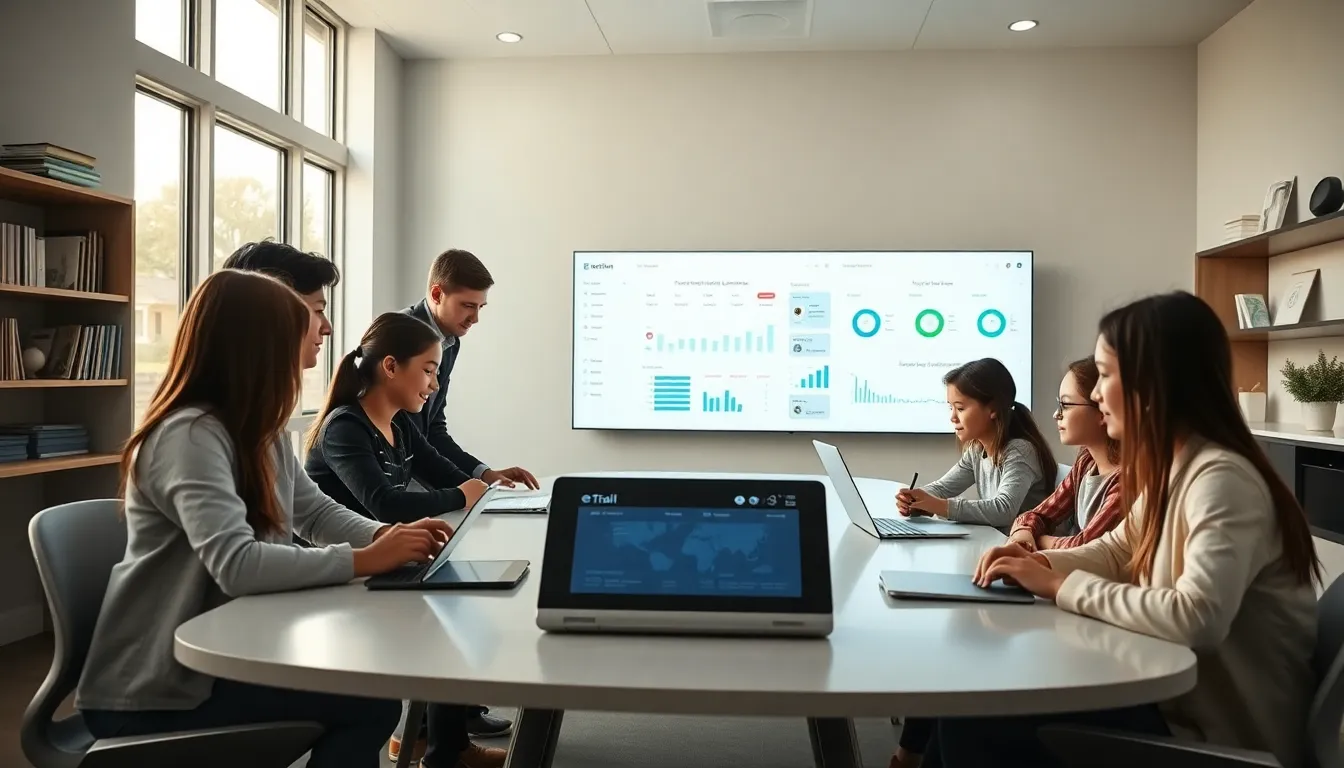
Artificial intelligence is transforming alternative education trends 2026 in dramatic ways. AI-powered platforms now assess student abilities in real time. They adjust lesson difficulty, pacing, and content based on individual performance.
This isn’t science fiction. Tools like Khan Academy’s Khanmigo, Carnegie Learning, and Synthesis already use AI to customize instruction. Students receive material matched to their current skill level. Struggling learners get additional support. Advanced students move ahead without waiting.
The benefits are substantial:
- Immediate feedback helps students correct mistakes quickly
- Adaptive assessments identify gaps before they become major problems
- Data-driven insights give parents and teachers clear progress reports
- Self-paced learning reduces stress and builds confidence
AI tutors can answer questions at 2 a.m. They don’t lose patience. And they can explain concepts in multiple ways until understanding clicks.
Of course, concerns exist. Screen time, data privacy, and the potential loss of human connection worry many families. The best AI-powered alternative education programs in 2026 will address these issues directly. They’ll blend technology with meaningful human interaction.
Some critics argue AI can’t replace a skilled teacher. They’re right. But AI doesn’t need to replace teachers, it can amplify their impact. When routine tasks get automated, educators have more time for mentorship, discussion, and the creative work machines can’t do.
As alternative education trends 2026 unfold, expect AI to become standard in homeschool curricula, online academies, and hybrid programs. The technology is simply too useful to ignore.
Hybrid And Flexible Schooling Models
Hybrid schooling blends in-person and online instruction. It’s one of the fastest-growing alternative education trends 2026 will feature. These models give families flexibility without sacrificing social interaction.
A typical hybrid setup might include two or three days of on-campus learning. Students complete remaining coursework online at home. This schedule works well for families who travel, have scheduling conflicts, or simply want more control over their week.
Flexible schooling extends beyond hybrid arrangements. Some programs let students choose when they attend classes. Others allow part-time enrollment in traditional schools while pursuing alternative education elsewhere.
Why does this matter? Different students have different needs:
- Athletes and performers need schedules that accommodate practice and competition
- Students with health conditions benefit from reduced campus time
- Working teens can balance jobs with education
- Families in rural areas gain access to instruction they couldn’t get locally
States are slowly updating policies to support these models. Arizona, Florida, and Texas have implemented education savings accounts that let families mix and match educational services. More states are expected to follow by 2026.
Schools themselves are adapting. Many traditional districts now offer virtual options alongside regular classes. Charter schools specializing in hybrid models have seen enrollment surge.
The alternative education trends 2026 brings will likely make “school” a more fluid concept. The question won’t be whether a child attends school. It will be how, when, and where that learning happens.
Skills-Based And Competency Education
Skills-based education focuses on what students can do, not how long they sat in a classroom. It’s among the most practical alternative education trends 2026 will highlight. This approach measures mastery rather than seat time.
Traditional schools often advance students based on age. They spend a year in third grade, then move to fourth, regardless of whether they’ve mastered third-grade material. Competency-based models work differently. Students progress when they demonstrate understanding.
This shift appeals to employers and colleges alike. A student who can prove specific competencies brings real value. Transcripts listing skills and demonstrated abilities tell a clearer story than letter grades.
Key features of skills-based alternative education include:
- Clear learning objectives students understand from the start
- Multiple pathways to demonstrate mastery
- Portfolio assessments showcasing actual work
- Industry certifications earned alongside academic credentials
Programs like Purdue University Global and Western Governors University have used competency models for years. Now K-12 alternative education programs are adopting similar approaches.
The alternative education trends 2026 will accelerate include partnerships between schools and employers. Students might earn credentials in coding, healthcare, or skilled trades while still in high school. These pathways create options beyond the traditional four-year college track.
Critics worry that skills-based education might narrow learning. They argue education should develop whole people, not just workers. Fair point. But the best competency programs include critical thinking, communication, and creativity alongside technical skills.
For families exploring alternative education trends 2026, skills-based options deserve serious consideration. They prepare students for a job market that increasingly values proven abilities over diplomas alone.