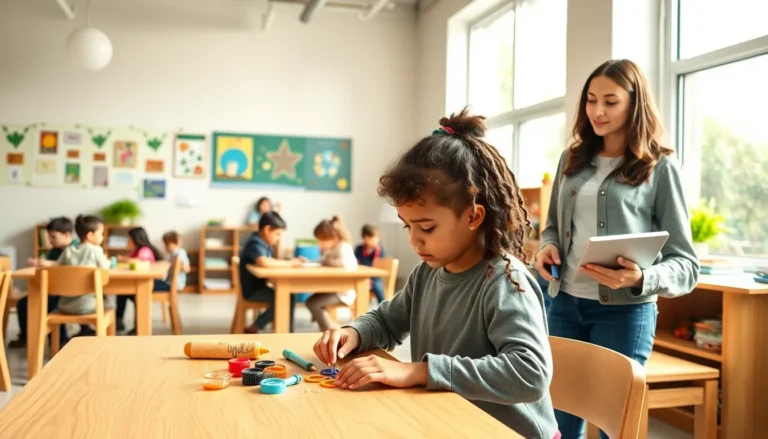

Alternative education tips can help families find the right learning path when traditional schooling doesn’t fit. More parents and students are exploring options beyond conventional classrooms. Homeschooling enrollment has grown significantly since 2020, and microschools, online academies, and hybrid programs continue to attract attention.
This guide covers the main types of alternative education, how to choose the best approach, and practical strategies for success. Whether a student struggles in traditional settings or simply learns differently, alternative education offers real solutions worth considering.
Table of Contents
ToggleKey Takeaways
- Alternative education tips help families find the right fit through options like homeschooling, online schools, microschools, and Montessori or Waldorf programs.
- Assess your child’s learning style, available resources, and social needs before choosing an alternative education approach.
- Create a dedicated learning space and establish flexible routines to build an effective home learning environment.
- Connect with other alternative education families through co-ops and online forums for curriculum ideas, group activities, and support.
- Address common challenges like motivation gaps and socialization concerns by linking learning to real interests and scheduling regular peer activities.
- Document progress carefully to meet state requirements and prepare students for college admissions.
Understanding Alternative Education Options
Alternative education includes any learning approach that differs from traditional public or private schooling. These options range from fully independent homeschooling to structured online academies. Understanding each type helps families make informed decisions.
Homeschooling
Homeschooling gives parents complete control over curriculum, schedule, and teaching methods. Families can follow religious values, focus on specific interests, or accommodate special needs. Some parents use packaged curricula, while others create their own lesson plans. Homeschooling requires significant time and commitment from parents.
Online Schools
Online schools provide structured curricula through virtual platforms. Students attend live classes or complete coursework at their own pace. Many online schools offer accredited diplomas and college preparation courses. This option works well for students who need flexibility due to travel, health issues, or extracurricular commitments.
Microschools and Learning Pods
Microschools are small learning communities with 5 to 15 students. They often blend homeschool methods with group instruction. Learning pods formed during the pandemic and many continue today. These settings offer personalized attention and social interaction without large class sizes.
Montessori and Waldorf Schools
Montessori education emphasizes self-directed learning and hands-on activities. Children choose their work within structured environments. Waldorf schools focus on creativity, imagination, and developmental stages. Both approaches prioritize the whole child over standardized testing.
Unschooling
Unschooling follows the child’s natural curiosity and interests. There’s no set curriculum or formal lessons. Children learn through life experiences, projects, and exploration. This method requires trust in the child’s ability to direct their own education.
How to Choose the Right Alternative Education Approach
Choosing the right alternative education approach depends on several factors. Families should evaluate their child’s learning style, available resources, and long-term goals.
Assess Learning Style
Some children thrive with visual materials and reading. Others need hands-on activities or verbal instruction. Observe how a child naturally learns best. A kinesthetic learner might struggle with online courses but excel in a Montessori environment.
Consider Time and Resources
Homeschooling demands significant parent involvement. Full-time work schedules may not allow for this commitment. Online schools and microschools offer more structure with less daily parent teaching. Budget also matters, some alternative education options cost thousands annually, while others remain affordable.
Evaluate Social Needs
Children need peer interaction for healthy development. Homeschooled students often join co-ops, sports teams, and community groups for socialization. Online schools may offer virtual clubs and local meetups. Microschools provide built-in peer groups.
Check State Requirements
Each state has different laws for alternative education. Some require notification, testing, or portfolio reviews. Others have minimal oversight. Research local regulations before committing to any approach. Non-compliance can create legal issues.
Start with Trial Periods
Many families don’t get it right the first time. Consider trying an approach for one semester before fully committing. Some online schools offer free trial periods. This testing phase reveals whether the fit works for both parent and child.
Practical Tips for Success in Alternative Education
Success in alternative education requires planning, flexibility, and consistent effort. These practical tips help families build effective learning environments.
Create a Dedicated Learning Space
Designate a specific area for learning activities. This space should be quiet, organized, and free from distractions. A consistent environment signals to the brain that it’s time to focus. Even a corner of a room can work if set up properly.
Establish Routines Without Rigidity
Routines provide structure and predictability. Start each day at a similar time and follow a general flow. But leave room for flexibility, that’s one advantage of alternative education. If a child shows deep interest in a topic, extend that learning time.
Use Multiple Resources
Don’t rely on a single curriculum or textbook. Mix videos, books, hands-on projects, and field trips. Libraries offer free resources. Museums, nature centers, and community organizations provide learning opportunities. Variety keeps students engaged.
Track Progress Regularly
Keep records of completed work, projects, and assessments. Some states require documentation. Even without legal requirements, tracking helps identify gaps and measure growth. Simple portfolios or digital folders work well.
Connect with Other Alternative Education Families
Join local homeschool groups, online forums, or co-ops. Other families share curriculum recommendations, organize group activities, and provide support. Experienced alternative education parents offer valuable guidance. These connections benefit both students and parents.
Prioritize Life Skills
Alternative education allows time for practical learning. Teach cooking, budgeting, time management, and basic home maintenance. These skills prepare students for adulthood. Traditional schools often skip this essential content.
Addressing Common Challenges and Solutions
Alternative education comes with challenges. Knowing common obstacles helps families prepare and respond effectively.
Challenge: Lack of Motivation
Some students struggle without external structure. They may resist lessons or procrastinate.
Solution: Connect learning to real interests. A child who loves video games might study coding or game design. Build in rewards and breaks. Sometimes a change in curriculum or approach reignites motivation.
Challenge: Socialization Concerns
Relatives and friends often worry about social development. Isolation can become a real issue without effort.
Solution: Schedule regular social activities. Sports leagues, art classes, church groups, and volunteer work provide peer interaction. Homeschool co-ops meet weekly for group classes and activities.
Challenge: Parent Burnout
Teaching at home exhausts many parents. Balancing education with household duties and possibly work creates stress.
Solution: Outsource subjects when possible. Online courses, tutors, and co-op classes reduce the teaching load. Take breaks and practice self-care. Accept that some days won’t go as planned.
Challenge: Gaps in Knowledge
Parents may not feel confident teaching certain subjects. Math and science often cause concern.
Solution: Use video courses, hire tutors for specific subjects, or join co-ops with qualified teachers. Many online platforms provide excellent instruction in difficult subjects. Parents don’t need to know everything, they just need to find resources.
Challenge: College Preparation
Some families worry about college admissions without traditional transcripts.
Solution: Document everything carefully. Create transcripts listing courses and grades. Encourage standardized test preparation. Many colleges actively recruit homeschooled students and value their self-direction.