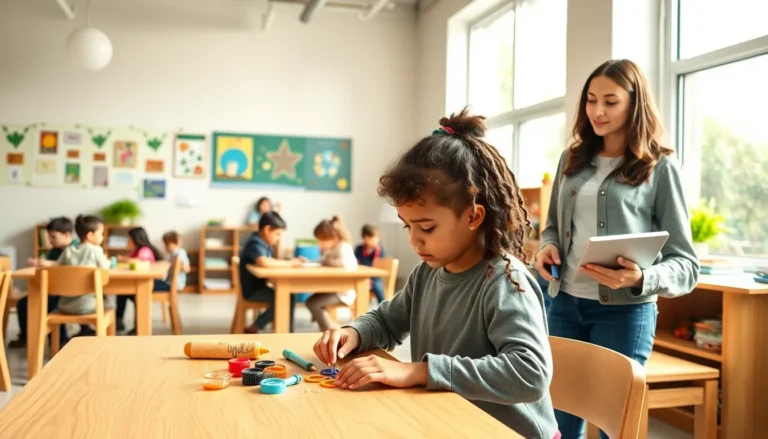
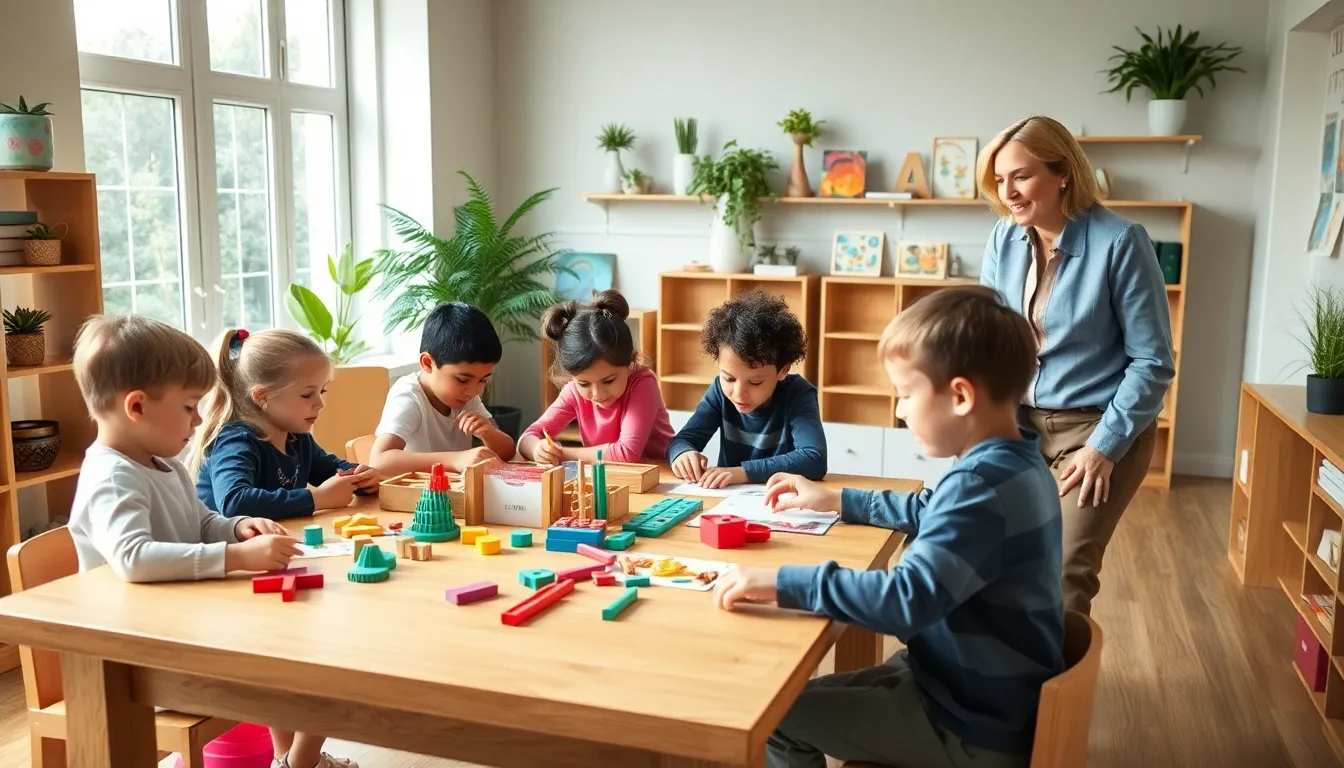
Alternative education techniques offer fresh paths for students who thrive outside traditional classrooms. These methods prioritize individual learning styles, creativity, and hands-on experience over standardized testing and rigid curricula.
Parents and educators increasingly seek alternatives to conventional schooling. Some children struggle with lecture-based instruction. Others need more flexibility or personalized attention. Alternative education addresses these needs through diverse approaches, from Montessori classrooms to homeschooling environments.
This guide explores the most effective alternative education techniques available today. Each method brings unique strengths and philosophies to the learning process. Understanding these options helps families make informed decisions about their children’s educational journeys.
Table of Contents
ToggleKey Takeaways
- Alternative education techniques prioritize student-centered learning, flexibility, and holistic development over standardized testing and rigid curricula.
- Montessori and Waldorf are two globally recognized alternative education methods that emphasize hands-on, creative, and self-directed learning.
- Project-based and experiential learning prepare students for real-world challenges by developing collaboration, problem-solving, and communication skills.
- Homeschooling and unschooling offer families maximum flexibility, with over 3 million U.S. students currently learning at home.
- Choosing the right alternative education technique requires evaluating your child’s learning style, social needs, family schedule, and local options.
- No educational choice is permanent—stay flexible and adjust as your child’s needs evolve over time.
What Is Alternative Education?
Alternative education refers to any educational approach that differs from traditional public or private schooling. These techniques often reject conventional grading systems, standardized curricula, and teacher-centered instruction.
The roots of alternative education stretch back centuries. But, modern alternative education techniques gained momentum during the 1960s and 1970s. Parents and educators questioned whether one-size-fits-all schooling served every child effectively.
Key characteristics of alternative education include:
- Student-centered learning: Children guide their own educational pace and interests
- Flexible curricula: Programs adapt to individual needs rather than fixed schedules
- Holistic development: Focus extends beyond academics to emotional and social growth
- Smaller class sizes: More individualized attention from instructors
Alternative education techniques serve various populations. Some programs target gifted students who need advanced challenges. Others support children with learning differences or those who experienced difficulties in traditional settings. Many simply offer philosophically different approaches to childhood development.
Montessori Method
The Montessori method stands as one of the most recognized alternative education techniques worldwide. Dr. Maria Montessori developed this approach in Italy during the early 1900s after observing how children naturally learn.
Montessori classrooms look different from traditional schools. Students work with specialized materials at their own pace. Mixed-age groups allow younger children to learn from older peers while older students reinforce knowledge by teaching.
Core principles of Montessori education include:
- Prepared environment: Classrooms contain carefully selected materials that encourage exploration
- Self-directed activity: Children choose their work within structured boundaries
- Uninterrupted work periods: Long blocks of time allow deep concentration
- Observation-based guidance: Teachers watch and support rather than lecture
Research supports Montessori’s effectiveness. Studies show Montessori students often demonstrate strong academic performance, creativity, and social skills. The method works particularly well for children who learn through hands-on manipulation and need freedom within structure.
Montessori schools now operate in over 110 countries. This alternative education technique serves children from infancy through high school, though elementary programs remain most common.
Waldorf Education
Waldorf education emerged from the philosophy of Rudolf Steiner in 1919. This alternative education technique emphasizes imagination, creativity, and the whole child’s development, head, heart, and hands.
Waldorf schools integrate arts into every subject. Students paint, sculpt, knit, and perform drama alongside traditional academics. Teachers often stay with the same class for multiple years, building deep relationships with students.
Distinctive features of Waldorf education include:
- Delayed academics: Formal reading instruction begins around age seven
- Oral storytelling: Teachers tell stories rather than read from textbooks in early grades
- Handwork and practical arts: Knitting, woodworking, and gardening are standard curriculum
- Limited technology: Screens are discouraged, especially for younger children
- Main lesson blocks: Students study one subject intensively for several weeks
Waldorf’s approach suits children who benefit from artistic expression and sensory-rich learning. Critics sometimes question the delayed reading instruction, though Waldorf advocates argue children catch up quickly and develop deeper comprehension.
Over 1,000 Waldorf schools operate worldwide. This alternative education technique appeals to families seeking balance between intellectual development and creative expression.
Project-Based and Experiential Learning
Project-based learning (PBL) flips traditional education on its head. Instead of learning facts and then applying them, students tackle real-world problems first. They acquire knowledge and skills as needed to complete meaningful projects.
Experiential learning takes this further. Students learn through direct experience, internships, field studies, service projects, and hands-on experiments. Both approaches represent powerful alternative education techniques that prepare students for actual challenges.
Effective project-based learning includes these elements:
- Authentic problems: Projects address real issues students care about
- Student voice and choice: Learners help design their projects
- Sustained inquiry: Projects last weeks or months, not hours
- Public products: Students share results with audiences beyond their teacher
- Reflection: Regular assessment of what worked and what didn’t
Schools like High Tech High in San Diego have built entire curricula around project-based methods. Students there create documentaries, build machines, and conduct research that gets published.
These alternative education techniques develop skills employers value: collaboration, problem-solving, communication, and self-direction. Students remember what they learn because they applied it meaningfully.
Homeschooling and Unschooling
Homeschooling represents the fastest-growing alternative education technique in the United States. Over 3 million American students learn at home, a number that surged during recent years.
Homeschooling families choose this path for various reasons:
- Religious or philosophical beliefs
- Concerns about school safety or environment
- Children with special needs requiring individualized instruction
- Families who travel frequently
- Students pursuing intensive athletics, arts, or other pursuits
Homeschooling methods range from structured curricula that mirror traditional schools to completely child-led approaches. Some families use online programs. Others create custom learning plans mixing textbooks, field trips, and community resources.
Unschooling takes alternative education techniques to their logical extreme. Coined by educator John Holt in the 1970s, unschooling rejects formal curricula entirely. Children pursue their interests freely. Parents act as facilitators, providing resources and experiences rather than lessons.
Unschooling advocates believe children learn naturally when given freedom and support. Critics worry about gaps in essential knowledge. Research on unschooling outcomes remains limited, though many unschooled adults report satisfaction with their education.
Both homeschooling and unschooling require significant parental involvement. Success depends heavily on family commitment and access to learning resources.
Choosing the Right Approach for Your Child
Selecting among alternative education techniques requires honest assessment of your child’s needs, your family’s values, and practical constraints.
Start by observing your child. How do they learn best? Some children thrive with structure and clear expectations, Montessori might suit them well. Others need creative freedom and artistic expression, pointing toward Waldorf. Self-motivated learners often excel in unschooling environments.
Consider these factors when evaluating alternative education options:
Your child’s learning style: Visual, auditory, kinesthetic, or reading/writing preferred?
Social needs: Does your child need peer interaction daily, or do they recharge with solitude?
Family schedule: Can you commit to homeschooling’s time demands? Can you transport children to alternative schools?
Budget: Private alternative schools cost money. Homeschooling requires one parent’s time.
Local options: What alternative education techniques are actually available in your area?
Visit schools. Talk to families using different methods. Many alternative education programs offer trial periods or observation days. Don’t rely solely on philosophy, see how approaches work in practice.
Remember that no choice is permanent. Children’s needs change. What works at age six might not fit at age twelve. Stay flexible and willing to adjust.