Alternative education ideas have gained significant attention as parents and educators seek learning options outside conventional classrooms. Traditional schooling works well for many students, but it doesn’t fit everyone. Some children thrive with hands-on learning. Others need flexible schedules or smaller class sizes. Alternative education offers these possibilities and more.
This guide explores several alternative education ideas that challenge the one-size-fits-all approach. From Montessori to unschooling, these methods prioritize individual learning styles and student interests. Whether someone is researching options for their child or simply curious about educational innovation, understanding these alternatives can open doors to new possibilities.
Table of Contents
ToggleKey Takeaways
- Alternative education ideas include Montessori, Waldorf, homeschooling, and unschooling—each offering unique approaches to student-centered learning.
- Approximately 3.3 million U.S. students were homeschooled in 2020-2021, reflecting growing interest in non-traditional learning paths.
- Matching an alternative education method to your child’s learning style, family logistics, and long-term goals increases the chances of success.
- Benefits of alternative education include personalized pacing, flexible schedules, smaller class sizes, and focus on whole-child development.
- Challenges to consider include costs, socialization concerns, inconsistent program quality, and potential transition difficulties to traditional schools.
- Starting with a trial period allows families to test alternative education ideas before making a long-term commitment.
What Is Alternative Education?
Alternative education refers to any teaching approach that differs from mainstream public or private schooling. These methods often emphasize student-centered learning, hands-on experiences, and flexible curricula. The goal is simple: meet learners where they are.
Alternative education ideas can take many forms. Some operate within established schools, while others happen entirely at home. What connects them is a shared belief that learning should adapt to the student, not the other way around.
The roots of alternative education stretch back over a century. Educators like Maria Montessori and Rudolf Steiner pioneered methods that still influence classrooms today. Their work challenged the assumption that all children learn best by sitting in rows, listening to lectures, and taking standardized tests.
Today, alternative education ideas continue to evolve. Online learning platforms, hybrid schools, and self-directed learning communities have expanded the options available to families. According to the National Center for Education Statistics, approximately 3.3 million students were homeschooled in the United States during the 2020-2021 school year, a number that has grown substantially in recent years.
Popular Alternative Education Models
Several alternative education ideas have gained widespread recognition. Each model offers a distinct philosophy and structure. Understanding these differences helps families find the right fit.
Montessori and Waldorf Methods
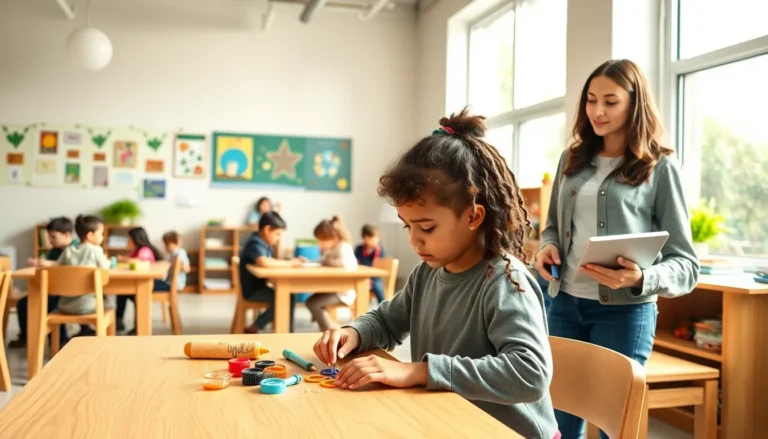
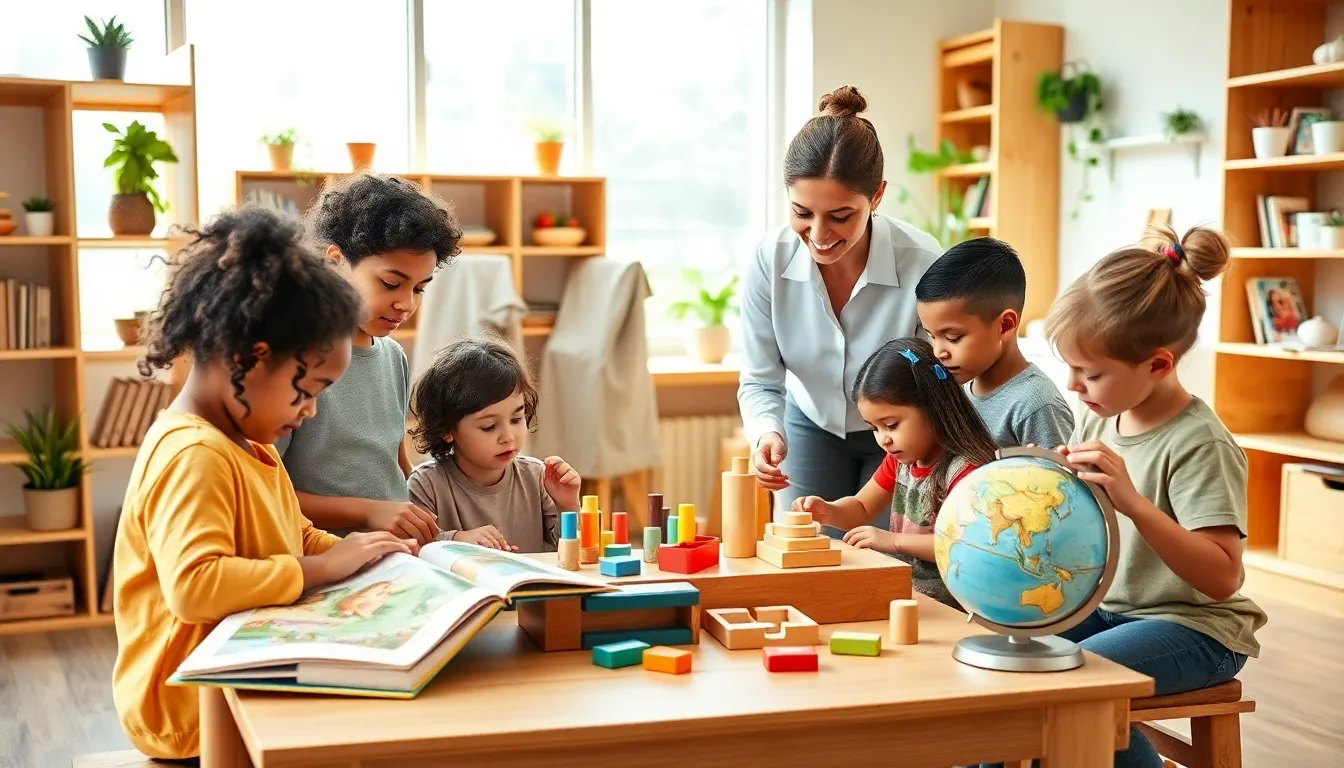
Montessori education focuses on self-directed activity and hands-on learning. Students work with specially designed materials at their own pace. Teachers act as guides rather than lecturers. Mixed-age classrooms encourage collaboration and peer learning. Maria Montessori developed this approach in the early 1900s, and it now serves students from infancy through high school.
Waldorf education, founded by Rudolf Steiner in 1919, takes a different approach. This method emphasizes creativity, imagination, and the arts. Academic instruction begins later than in traditional schools. Waldorf classrooms limit technology use and prioritize storytelling, music, and movement. The curriculum follows developmental stages, introducing concepts when students are ready to absorb them.
Both Montessori and Waldorf schools exist as independent institutions. Some public schools have also adopted elements of these alternative education ideas into their programs.
Homeschooling and Unschooling
Homeschooling allows families to educate children at home. Parents design or select curricula that match their values and their child’s needs. This flexibility represents one of the most appealing alternative education ideas for families seeking control over content and schedule.
Homeschooling approaches vary widely. Some families follow structured programs with textbooks and tests. Others take a relaxed approach, incorporating field trips, projects, and real-world experiences into daily learning.
Unschooling pushes this flexibility further. This philosophy rejects formal curricula entirely. Instead, children pursue their interests, and learning happens organically through play, exploration, and conversation. Advocates argue that unschooling develops intrinsic motivation and a lifelong love of learning. Critics question whether students receive adequate preparation for higher education or careers.
Both homeschooling and unschooling require significant parental involvement. Families must also comply with state regulations, which vary considerably across the country.
How to Choose the Right Alternative Education Path
Selecting from various alternative education ideas requires careful consideration. No single method works for every child or family. Several factors can guide this decision.
Assess the child’s learning style. Does the student prefer structure or freedom? Do they learn best through reading, hands-on activities, or discussion? Matching the educational approach to these preferences increases the chances of success.
Consider family logistics. Homeschooling and unschooling demand time from parents. Alternative schools may require tuition or transportation. Families should evaluate their resources and constraints honestly.
Research local options. Alternative education ideas look different in every community. Some areas have thriving Montessori programs or homeschool co-ops. Others offer limited choices. Visiting schools, attending information sessions, and talking with other families provides valuable insight.
Think about long-term goals. Some alternative education paths ease the transition to college. Others emphasize vocational skills or entrepreneurship. Aligning educational choices with future aspirations helps families make informed decisions.
Start with a trial period. Many families experiment before committing fully. A semester of homeschooling or a year at a Waldorf school can reveal whether the approach suits the student. Flexibility remains one of the greatest strengths of alternative education ideas.
Benefits and Challenges to Consider
Alternative education ideas offer distinct advantages. They also present real challenges. Families benefit from understanding both sides.
Benefits:
- Personalized learning: Students receive instruction matched to their pace and interests. This individualization can boost engagement and retention.
- Flexibility: Many alternative approaches allow families to set schedules that work for them. This proves especially valuable for students with health issues, travel needs, or professional commitments.
- Smaller class sizes: Alternative schools often maintain lower student-to-teacher ratios. This allows for more attention and support.
- Focus on the whole child: Methods like Waldorf and Montessori address emotional, social, and creative development alongside academics.
Challenges:
- Cost: Private alternative schools can be expensive. Even homeschooling requires investment in materials and sometimes lost income.
- Socialization concerns: Critics question whether students in alternative settings develop adequate social skills. But, many programs address this through group activities, sports, and community involvement.
- Inconsistent quality: The effectiveness of alternative education ideas depends heavily on implementation. A poorly run Montessori school may produce worse outcomes than a well-managed traditional classroom.
- Transition difficulties: Students moving between alternative and traditional settings may face adjustment periods. Curriculum gaps or different grading systems can complicate these transitions.
Weighing these factors helps families make realistic choices. The best alternative education ideas align with a student’s needs and a family’s capacity to support them.