
Alternative education for beginners can feel overwhelming at first. Parents and students often discover traditional schools don’t fit every learner’s needs. Some children thrive with hands-on projects. Others need flexible schedules or personalized pacing. That’s where alternative education steps in.
This guide breaks down the basics of non-traditional learning. It covers the most popular types, weighs the pros and cons, and offers practical advice for choosing the right path. Whether someone is exploring homeschooling, Montessori programs, or online learning, this article provides clear answers.
Table of Contents
ToggleKey Takeaways
- Alternative education for beginners includes options like homeschooling, Montessori, Waldorf, and online learning—each designed to fit different student needs.
- Personalized pacing, flexible schedules, and creative teaching methods are core benefits of alternative education programs.
- Homeschooling grew to approximately 3.3 million U.S. students in 2020-2021, reflecting increased interest in non-traditional learning.
- Families should assess student needs, research program accreditation, and consider logistics like time, cost, and internet access before choosing a path.
- Starting small with summer programs or trial courses helps families explore alternative education without a full commitment.
- Finding the right alternative education fit may require adjustments—flexibility and patience are essential for beginners.
What Is Alternative Education?
Alternative education refers to any learning approach outside the conventional public or private school system. These programs differ from traditional classrooms in structure, teaching methods, or philosophy.
Some alternative education models focus on student-led learning. Others emphasize creative expression, real-world skills, or individualized instruction. The common thread? They reject a one-size-fits-all approach.
Alternative education for beginners starts with understanding this core idea: different children learn in different ways. A student who struggles in a lecture-based classroom might excel in a project-based environment. A child with anxiety could flourish with homeschooling’s flexible schedule.
These programs serve various populations. Gifted students, children with learning differences, and kids who simply don’t thrive in traditional settings all benefit from alternative education options. Some families choose these paths for religious or philosophical reasons. Others prioritize travel, athletics, or artistic pursuits that demand scheduling freedom.
Alternative education isn’t a single system. It’s an umbrella term covering dozens of approaches, each with unique strengths.
Popular Types of Alternative Education
Several alternative education models have gained popularity over the past few decades. Here’s a closer look at three common options.
Homeschooling
Homeschooling places parents or guardians in charge of their child’s education. Families design curricula, set schedules, and teach subjects at home or in community settings.
In the United States, homeschooling has grown significantly. The National Center for Education Statistics reported approximately 3.3 million homeschooled students in 2020-2021. That number increased during the pandemic as more families discovered alternative education for beginners.
Homeschooling offers maximum flexibility. Parents can adjust pacing for each subject. A child advanced in math but struggling with reading gets appropriate support in both areas. Field trips replace textbooks when hands-on learning makes sense.
But, homeschooling requires significant time and commitment from parents. Not every family has the resources or availability to manage full-time instruction.
Montessori and Waldorf Schools
Montessori and Waldorf schools represent two well-established alternative education philosophies.
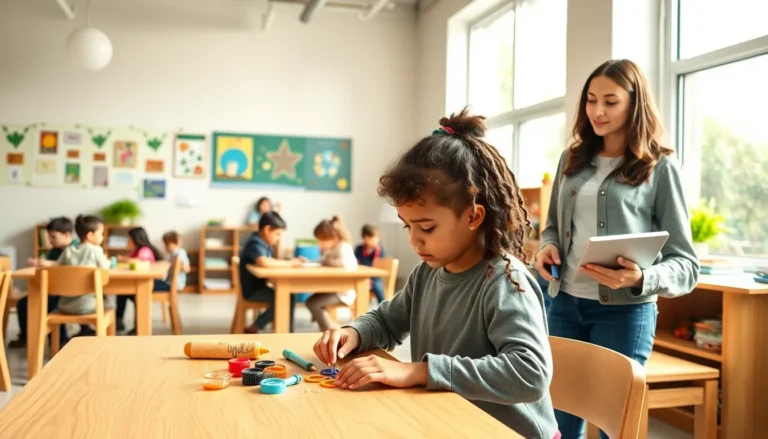
Montessori education, developed by Maria Montessori in the early 1900s, emphasizes self-directed learning. Classrooms feature mixed-age groups and specialized materials. Students choose activities and work at their own pace. Teachers act as guides rather than lecturers.
Waldorf education, founded by Rudolf Steiner in 1919, focuses on creativity and holistic development. These schools integrate arts, music, and movement into academic subjects. Technology is limited in early grades, and imaginative play takes center stage.
Both approaches prioritize the whole child, intellectual, emotional, and physical development matter equally. Parents interested in alternative education for beginners often find these philosophies appealing.
Online and Virtual Learning
Online education has exploded in recent years. Students can now earn diplomas, take accredited courses, and access tutoring from anywhere with an internet connection.
Virtual schools operate like traditional schools but deliver instruction online. Students log in for live classes, complete assignments digitally, and communicate with teachers through video calls or messaging platforms.
Self-paced programs offer even more flexibility. Learners progress through material on their own schedules, making this model ideal for student athletes, performers, or those with health challenges.
Online alternative education for beginners provides an accessible entry point. Many programs offer free trials or low-cost courses for families testing the waters.
Benefits and Challenges to Consider
Alternative education comes with clear advantages, and real obstacles. Families should weigh both before making decisions.
Benefits:
- Personalized learning: Alternative education allows instruction matched to each student’s pace, interests, and learning style.
- Flexibility: Many programs accommodate travel, health needs, or extracurricular commitments that traditional schools can’t.
- Safe environments: Some students face bullying or social anxiety in conventional classrooms. Alternative settings often reduce these pressures.
- Creative approaches: Arts integration, hands-on projects, and experiential learning keep many students engaged.
- Stronger family bonds: Homeschooling families often report spending more quality time together.
Challenges:
- Limited social opportunities: Students outside traditional schools may need extra effort to build peer relationships through sports, clubs, or co-ops.
- Parental time and energy: Homeschooling demands significant commitment. Even with online programs, parents often supervise and support learning.
- Cost: Private alternative schools like Montessori or Waldorf programs can be expensive. Homeschooling materials and curricula add up as well.
- Uneven quality: Not all alternative education programs meet high standards. Research matters.
- College and career concerns: Some parents worry about transcripts, accreditation, and how alternative backgrounds appear to colleges or employers.
Alternative education for beginners requires honest assessment of family resources, student needs, and long-term goals.
How to Choose the Right Alternative Education Path
Selecting the right alternative education program takes research, reflection, and sometimes trial and error.
Step 1: Assess the student’s needs.
What does the child need that traditional school isn’t providing? Flexibility? Creative outlets? A quieter environment? Identifying the core issue helps narrow options.
Step 2: Research available programs.
Alternative education for beginners starts with exploration. Look into local homeschool co-ops, Montessori schools, virtual academies, and hybrid programs. Attend open houses when possible. Talk to families already using these options.
Step 3: Consider family logistics.
Homeschooling works best when a parent or guardian can dedicate substantial time. Online programs require reliable internet and a quiet workspace. Private schools demand tuition budgets. Be realistic about what fits.
Step 4: Check accreditation and outcomes.
For older students, accreditation matters. Colleges want transcripts from recognized programs. Verify that any alternative education path produces documentation that works for future goals.
Step 5: Start small if possible.
Some families test alternative education with summer programs or supplemental online courses before committing fully. This approach reduces pressure and provides useful experience.
Step 6: Stay flexible.
The first choice might not be the perfect fit. Alternative education for beginners often involves adjustments. A student might start with online learning and later transition to a hybrid school. That’s okay, finding the right match sometimes takes time.