Elementary school trends 2026 are reshaping how children learn, play, and grow in classrooms across the country. Schools are adopting new strategies that prioritize student well-being, technology integration, and hands-on learning experiences. Parents and educators want to understand these shifts so they can better support young learners.
This year brings significant changes to elementary education. From personalized learning platforms to redesigned classroom spaces, schools are responding to research about what helps children thrive. These elementary school trends 2026 reflect a deeper understanding of child development and the skills students need for the future. Here’s what families and teachers should expect.
Table of Contents
ToggleKey Takeaways
- Elementary school trends 2026 prioritize personalized learning through AI-powered platforms that adapt to each student’s pace and identify knowledge gaps.
- Social-emotional learning (SEL) has become a core part of the school day, teaching children to manage emotions, resolve conflicts, and build healthy relationships.
- Flexible classroom environments with varied seating options and learning zones are replacing traditional desk rows to improve focus and engagement.
- STEM education now emphasizes sustainability, connecting science and math lessons to real-world environmental projects like school gardens and waste reduction.
- Schools are strengthening family partnerships through improved communication tools, flexible volunteer opportunities, and community learning events.
- Elementary school trends 2026 focus on equity by removing barriers so all families can participate in their child’s education.
Personalized Learning Through Technology
Technology is making personalized learning a reality in elementary schools. Adaptive learning platforms now adjust lesson difficulty based on each student’s progress. A child who masters addition quickly moves forward, while a classmate who needs more practice gets extra support, automatically.
Elementary school trends 2026 show increased adoption of AI-powered tutoring tools. These programs identify knowledge gaps and provide targeted exercises. Teachers receive real-time data about student performance, which helps them plan more effective lessons.
Tablets and laptops remain common in classrooms, but their use has evolved. Schools now focus on purposeful technology integration rather than screen time for its own sake. Students might use devices for interactive math games, virtual science experiments, or collaborative writing projects.
Many districts are also implementing digital portfolios. Children save their work throughout the year, allowing parents and teachers to track growth over time. This approach gives students ownership of their learning journey.
Privacy remains a priority. Schools are choosing platforms with strong data protection policies and teaching students basic digital citizenship skills. Kids learn about online safety alongside their reading and math lessons.
Social-Emotional Learning Takes Center Stage
Social-emotional learning (SEL) has become a core part of the school day. Elementary school trends 2026 reflect growing recognition that emotional skills matter as much as academic ones. Schools are dedicating time to teach children how to manage feelings, resolve conflicts, and build healthy relationships.
Morning meetings have become standard practice in many classrooms. Students gather to check in with each other, share experiences, and practice active listening. These routines create a sense of community and help teachers spot struggling students early.
Curriculum programs now include structured lessons on empathy, self-regulation, and decision-making. Children learn vocabulary to describe their emotions and strategies to calm themselves when upset. Role-playing exercises give them practice handling difficult social situations.
School counselors play an expanded role under these elementary school trends 2026. They work with classroom teachers to integrate SEL throughout the day, not just during designated lessons. Math problems might involve cooperation. Reading discussions explore characters’ motivations and feelings.
Research supports this emphasis. Studies consistently show that students with strong social-emotional skills perform better academically and have fewer behavioral issues. Schools are seeing the benefits firsthand.
Flexible Classroom Environments
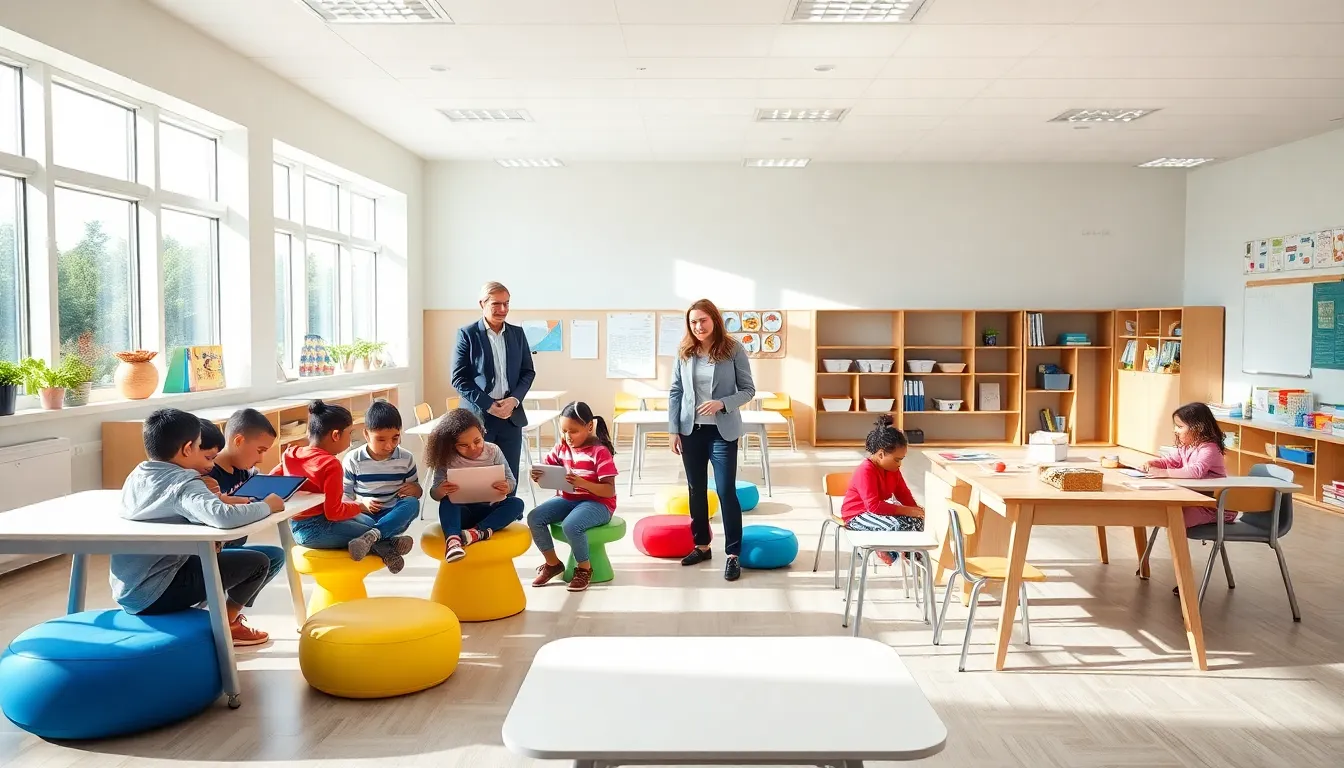
The traditional classroom, rows of desks facing a chalkboard, is disappearing. Elementary school trends 2026 favor flexible learning spaces that adapt to different activities and student needs.
Modern classrooms feature varied seating options. Standing desks, wobble stools, floor cushions, and traditional chairs give children choices about where and how they work. Research suggests that allowing movement improves focus and reduces restlessness, especially for younger students.
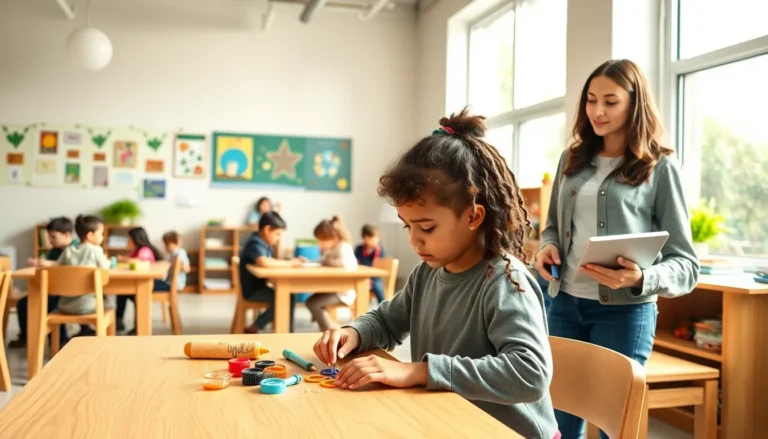
Learning zones divide classrooms into distinct areas. A quiet reading corner with soft lighting sits apart from a collaborative table for group projects. A maker space with building materials encourages hands-on exploration. Teachers rotate students through these zones based on lesson goals.
Outdoor learning has gained momentum too. Schools are creating garden classrooms, nature trails, and outdoor amphitheaters. Science lessons happen among plants and insects. Writing prompts come from cloud watching. Elementary school trends 2026 recognize that fresh air and movement benefit learning.
Furniture choices reflect this flexibility. Lightweight tables roll easily to reconfigure spaces. Storage systems keep materials organized but accessible. Walls display student work and anchor charts rather than static decorations.
STEM and Sustainability Education
STEM education continues its expansion in elementary schools. But elementary school trends 2026 add a new emphasis: sustainability. Schools are connecting science, technology, engineering, and math lessons to environmental topics.
Project-based learning drives much of this instruction. Students might design solutions for reducing cafeteria waste or build models of energy-efficient homes. These projects teach academic concepts while addressing real-world problems.
School gardens serve multiple purposes. Children learn about plant biology, food systems, and the water cycle through hands-on experience. Some schools donate harvested vegetables to local food banks, adding a community service component.
Coding and computational thinking remain priorities. Elementary students learn basic programming through age-appropriate platforms. These skills build logical thinking and problem-solving abilities that transfer across subjects.
Elementary school trends 2026 also emphasize engineering design processes. Children learn to identify problems, brainstorm solutions, build prototypes, and test their ideas. Failure becomes a learning opportunity rather than something to avoid. This mindset prepares students for future innovation.
Parent and Community Involvement
Schools are strengthening partnerships with families and local communities. Elementary school trends 2026 recognize that education works best when it extends beyond classroom walls.
Communication tools have improved significantly. Parent portals provide real-time access to grades, assignments, and teacher messages. Translation features help non-English-speaking families stay connected. Video updates let parents see classroom activities firsthand.
Volunteer programs have evolved. Schools offer flexible opportunities that accommodate working parents, evening events, weekend projects, and virtual support options. Grandparents and community members fill important roles as reading buddies and guest speakers.
Family learning nights bring parents into the school for hands-on experiences. Math game nights, science fairs, and literacy workshops show families how to support learning at home. These events build relationships between teachers and parents.
Community partnerships expand student opportunities. Local businesses sponsor field trips. Artists lead workshops. Professionals visit classrooms to discuss their careers. These connections help children see how school connects to the broader world.
Elementary school trends 2026 also address equity concerns. Schools work to remove barriers that prevent some families from participating. Transportation assistance, childcare during events, and varied scheduling options help more families engage.