The best alternative education options give students freedom to learn in ways that match how they actually think. Traditional classrooms work well for some learners. But many students thrive outside the standard lecture-and-test format. Alternative education has grown significantly over the past decade. More families now seek learning models that prioritize creativity, self-direction, and individual pacing. This guide covers the most effective alternative education approaches, how to pick the right one, and what to expect along the way.
Table of Contents
ToggleKey Takeaways
- The best alternative education programs adapt to the learner’s unique needs rather than forcing students into a one-size-fits-all approach.
- Montessori, Waldorf, and homeschooling/unschooling are three proven alternative education models, each suited to different learning styles and family circumstances.
- Consider your child’s learning style, your time availability, budget, and college preparation needs when choosing an alternative education path.
- Alternative education benefits include personalized pacing, deeper engagement, reduced anxiety, and stronger self-direction skills.
- Challenges like limited social opportunities, cost, and inconsistent program quality should be evaluated before committing to any alternative education option.
- Visiting programs and talking to current families provides valuable insight into whether a specific alternative education model is the right fit.
What Is Alternative Education?
Alternative education refers to any learning approach that differs from conventional public or private schooling. These programs often reject rigid curricula in favor of flexible, student-centered methods.
The core idea behind alternative education is simple: not every learner fits the same mold. Some students struggle with standardized testing. Others feel stifled by structured schedules. Alternative education programs address these issues by offering different teaching philosophies and formats.
Common features of alternative education include:
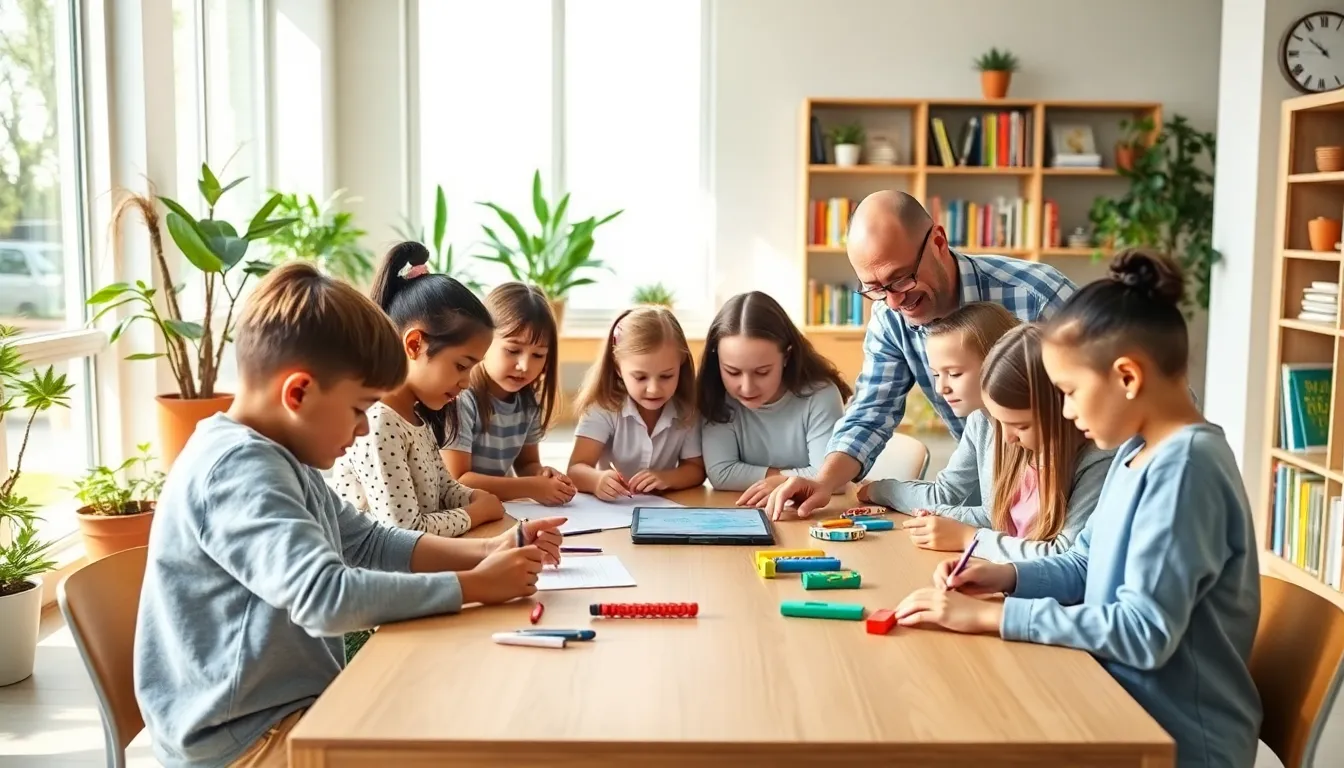
- Smaller class sizes or one-on-one instruction
- Emphasis on hands-on learning
- Student-led project work
- Mixed-age classrooms
- Focus on social-emotional development
Alternative education isn’t new. Montessori schools have existed since 1907. Waldorf education began in 1919. What’s changed is accessibility. Today, families can choose from in-person programs, hybrid models, and fully online alternative education platforms. The best alternative education programs share one trait: they adapt to the learner rather than forcing the learner to adapt.
Top Alternative Education Models to Consider
Several alternative education models have proven effective across different age groups and learning styles. Here are three of the most popular options.
Montessori Education
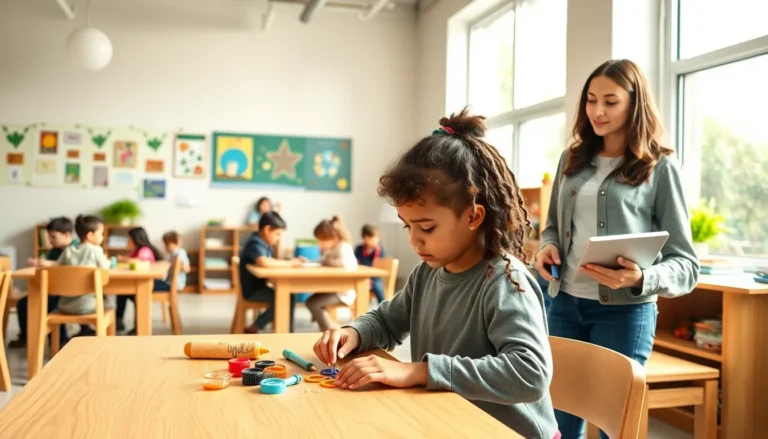
Montessori education centers on self-directed activity and hands-on learning. Students choose their own work within a prepared environment. Teachers act as guides rather than lecturers.
Key characteristics of Montessori include:
- Multi-age classrooms (typically spanning three years)
- Uninterrupted work periods lasting 2-3 hours
- Specialized learning materials designed for independent use
- No grades or formal assessments in most programs
Montessori works especially well for young children. Research from the University of Virginia found that Montessori students showed stronger academic and social outcomes compared to peers in traditional settings. This alternative education model suits curious, self-motivated learners.
Waldorf Schools
Waldorf education emphasizes imagination and creativity alongside academics. Founded by Rudolf Steiner, this approach integrates arts, music, and movement into daily learning.
Waldorf schools limit technology use, particularly for younger students. They believe screens interfere with creative development. The curriculum follows developmental stages, introducing reading instruction later than most schools, usually around age seven.
This alternative education model appeals to families who value artistic expression and nature-based learning. Waldorf graduates often demonstrate strong creative thinking and problem-solving abilities.
Homeschooling and Unschooling
Homeschooling remains the most flexible alternative education option. Parents design curricula based on their child’s interests, pace, and learning style. Some follow structured programs. Others take a relaxed approach.
Unschooling takes this further. It removes formal curricula entirely. Children learn through life experiences, play, and natural curiosity. Proponents argue that unschooling creates lifelong learners who pursue knowledge for its own sake.
According to the National Center for Education Statistics, approximately 3.3 million U.S. students were homeschooled as of 2023. The pandemic accelerated this trend. Many families discovered that alternative education at home worked better for their children than classroom instruction.
How to Choose the Right Alternative Education Path
Selecting the best alternative education model requires honest assessment of your child’s needs and your family’s circumstances.
Start with your child’s learning style. Does your child learn best through movement? Consider Montessori or Waldorf. Does your child resist structure? Unschooling might be a fit. Does your child need more social interaction? Look for alternative education programs with collaborative elements.
Practical factors matter too:
- Time commitment: Homeschooling requires significant parent involvement. School-based alternative education programs don’t.
- Cost: Private Montessori and Waldorf schools can be expensive. Public charter alternatives exist in many areas.
- Location: Not all alternative education options are available everywhere. Online programs expand access.
- College preparation: Some families worry about transcripts and standardized tests. Many alternative education students perform well on college applications. But research specific requirements early.
Visit programs when possible. Talk to current families. Ask how the program handles struggling students. The best alternative education environments provide support without reverting to one-size-fits-all solutions.
Trust your observations. If your child lights up during a school visit, that’s valuable data. Alternative education works best when it aligns with a student’s natural tendencies.
Benefits and Challenges of Alternative Education
Alternative education offers clear advantages. It also presents real challenges. Families should weigh both before committing.
Benefits of alternative education:
- Personalized pacing: Students move ahead when ready. They get extra time when needed.
- Deeper engagement: Interest-driven learning keeps students motivated.
- Stronger self-direction: Alternative education students often develop better time management and self-advocacy skills.
- Reduced anxiety: Without high-stakes testing pressure, many students experience less school-related stress.
- Creative development: Arts-focused programs encourage imagination and original thinking.
Challenges of alternative education:
- Social concerns: Some programs have small communities. Parents may need to arrange additional social opportunities.
- Cost and access: Quality alternative education programs aren’t available to all families.
- Transition difficulties: Moving from alternative education to traditional school can require adjustment.
- Parent workload: Homeschooling demands time and energy. Not all families can manage this.
- Inconsistent quality: Alternative education programs vary widely. Some are excellent. Others lack rigor.
The best alternative education programs acknowledge these challenges openly. They provide resources for transitions, build social connections, and maintain academic standards while preserving flexibility.