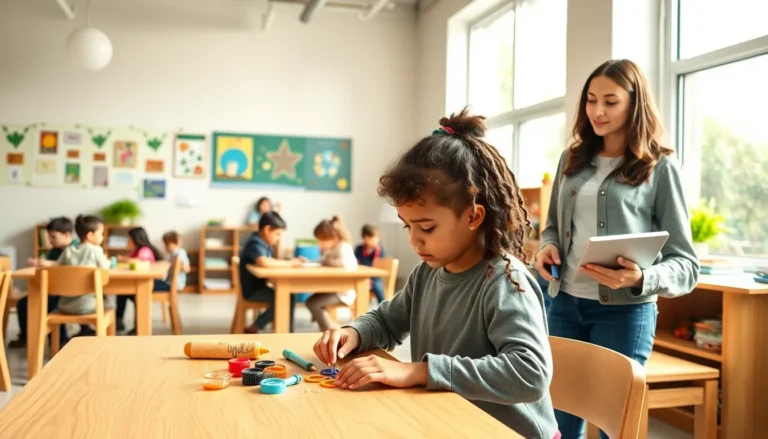
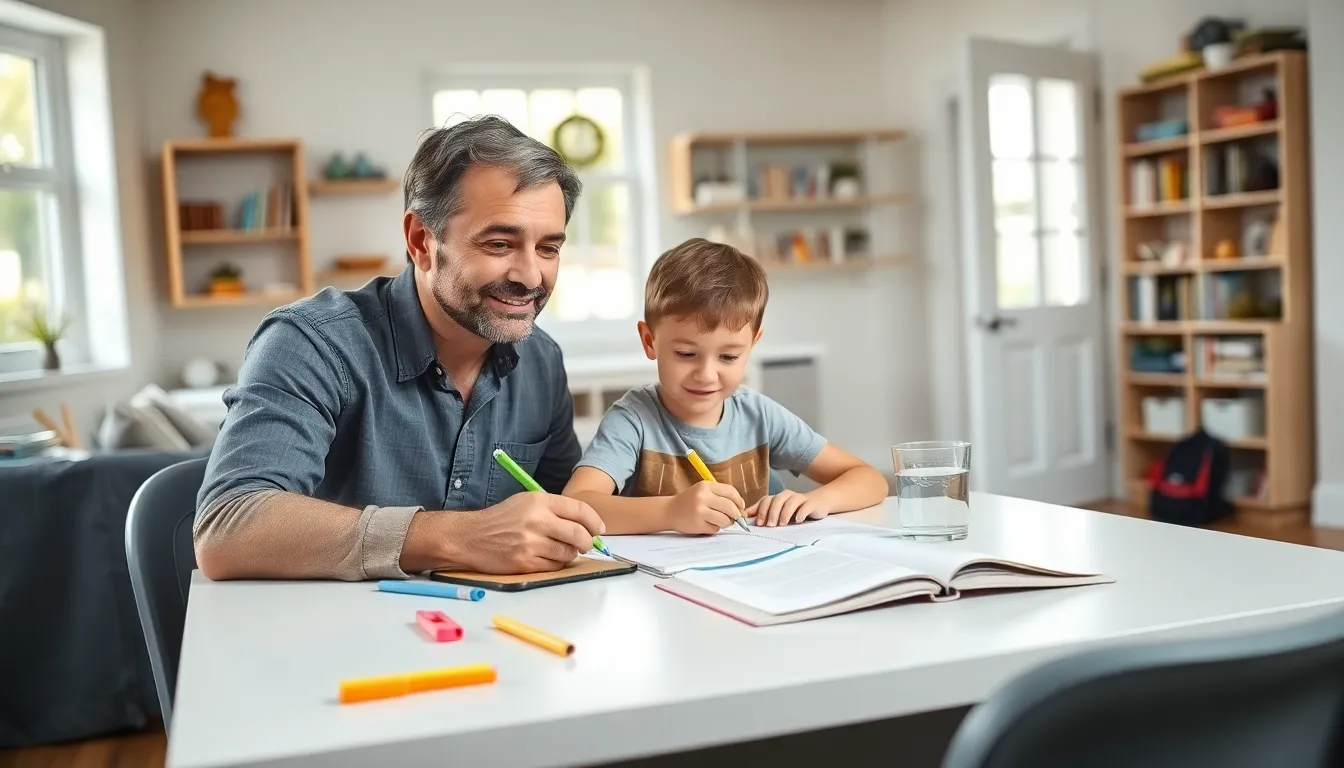
Elementary school tips can make the difference between a child who thrives and one who struggles through those crucial early years. Parents often wonder what they can do at home to support their kids, and teachers wish more families knew the simple strategies that lead to success.
The good news? Most effective elementary school tips don’t require expensive tutors or hours of extra work. They involve consistency, communication, and a few smart habits that set children up for academic and social growth. Whether a child is starting kindergarten or finishing fifth grade, these practical strategies help families create an environment where learning feels natural and enjoyable.
Table of Contents
ToggleKey Takeaways
- Establish consistent daily routines—including set bedtimes and organized mornings—to reduce stress and help children feel secure.
- Communicate regularly with teachers from the start of the school year to catch problems early and work as a team.
- Create a dedicated, distraction-free homework space and stay nearby to support without taking over assignments.
- Read together daily and integrate learning into everyday activities like cooking and grocery shopping.
- Teach social skills through role-play and arrange playdates to help children build friendships and handle conflicts.
- Prioritize health habits including nutritious meals, 60 minutes of daily physical activity, and open conversations about emotions.
Establishing a Consistent Daily Routine
Children perform better in school when they follow a predictable daily schedule. A consistent routine reduces morning stress and helps kids feel secure about what comes next.
Start with a set bedtime. Elementary-aged children need 9 to 12 hours of sleep each night, according to the American Academy of Pediatrics. A rested child pays attention in class and retains information more easily. Pick a bedtime and stick with it, even on weekends.
Mornings matter too. Lay out clothes the night before. Pack backpacks by the door. Serve breakfast at the same time daily. These small habits eliminate chaos and give children time to wake up properly before heading to school.
After-school routines deserve equal attention. Build in time for a snack, assignments, play, and family connection. Kids who know what to expect after the final bell feel calmer and transition more smoothly between activities.
One of the most overlooked elementary school tips involves limiting screen time before bed. Blue light from tablets and phones disrupts sleep patterns. Create a “devices off” rule at least one hour before bedtime.
Building Strong Communication With Teachers
Parents who communicate regularly with teachers catch problems early. A quick email or a note in the agenda book keeps everyone on the same page.
Don’t wait for parent-teacher conferences to introduce yourself. Send a friendly message in the first week of school. Let the teacher know about any concerns, learning differences, or family situations that might affect the child’s performance.
When issues arise, approach conversations as a team effort. Teachers appreciate parents who ask, “How can we work together on this?” rather than placing blame. Most educators want the same outcome, a successful, happy student.
Attend school events when possible. Back-to-school nights, class performances, and volunteer opportunities show children that their education matters to the whole family. These events also give parents face time with staff.
Check communication platforms regularly. Many schools use apps like ClassDojo, Remind, or Seesaw. Teachers post updates, assignments, and photos. Parents who stay informed can ask better questions at dinner: “I saw you worked on fractions today, was that tricky?”
Supporting Homework and Learning at Home
Assignments builds responsibility and reinforces classroom lessons. Parents play a key role in making study time productive without taking over the work themselves.
Create a dedicated assignments space. A quiet spot with good lighting, basic supplies, and minimal distractions helps children focus. The kitchen table works fine, just turn off the TV and put phones away.
Set a regular assignments time. Some kids do better right after school while material is fresh. Others need a break first. Find what works and make it a habit. Consistency matters more than the specific hour.
Stay nearby but don’t hover. Be available to answer questions or offer encouragement, but resist the urge to correct every mistake. Children learn from errors, and teachers need to see what students actually understand.
Read together every day. Even after children can read independently, shared reading time builds vocabulary and strengthens bonds. Let kids pick books they enjoy, graphic novels and funny chapter books count too.
These elementary school tips extend beyond formal assignments. Cooking involves math. Grocery shopping teaches budgeting. Trips to the library spark curiosity. Learning happens everywhere.
Encouraging Social Skills and Friendships
Academic success matters, but so does a child’s ability to make friends and work with others. Social skills predict long-term happiness and career success.
Teach children how to introduce themselves and join group activities. Role-play scenarios at home: “What could you say if you wanted to play with kids at recess?” Practice makes these situations less intimidating.
Arrange playdates outside of school. One-on-one time with a classmate strengthens friendships. Keep initial visits short and activity-focused, an hour at the park or a simple craft project.
Help kids handle conflicts. Disagreements happen. Teach phrases like “I didn’t like that” or “Can we take turns?” Validate their feelings while guiding them toward problem-solving.
Watch for signs of social struggles. If a child frequently eats lunch alone, avoids recess, or comes home upset about peers, check in gently. Some children need extra support from school counselors or social skills groups.
Model good social behavior at home. Children notice how parents treat neighbors, cashiers, and each other. Kindness is contagious.
Promoting Health and Wellness Habits
Healthy kids learn better. Physical wellness affects concentration, mood, and attendance. These elementary school tips focus on bodies as much as minds.
Prioritize breakfast. A morning meal containing protein and whole grains provides steady energy. Skip sugary cereals that cause mid-morning crashes. Eggs, oatmeal, or peanut butter toast do the job well.
Pack balanced lunches. Include a protein, a fruit or vegetable, a whole grain, and water. Kids who eat well at lunch stay alert during afternoon lessons. Let children help choose and prepare their lunches, they’re more likely to eat food they picked themselves.
Encourage physical activity. Children need at least 60 minutes of movement daily. Walk to school when possible. Sign up for sports or dance. Play outside after dinner. Active kids sleep better and manage stress more effectively.
Teach handwashing. Germs spread fast in classrooms. Remind children to wash with soap for 20 seconds before eating and after using the bathroom. This simple habit reduces sick days significantly.
Address mental health openly. Elementary school brings big feelings, anxiety about tests, sadness about friendships, frustration with difficult subjects. Create space for children to talk about emotions without judgment.