Elementary school for beginners marks a major milestone for children and their families. This transition from preschool or home life to a structured classroom environment shapes academic habits, social skills, and confidence. Parents often wonder what their child will experience, which skills matter most, and how to prepare effectively.
This guide answers those questions. It covers what the first year looks like, the essential skills children should develop, practical preparation strategies, and tips for making the transition smoother. Whether a child is starting kindergarten or first grade, this resource helps families feel ready and confident.
Table of Contents
ToggleKey Takeaways
- Elementary school for beginners introduces structured routines, formal academics, and higher student-to-teacher ratios compared to preschool.
- Children should develop pre-reading, counting, fine motor, and self-care skills before starting school to ease the transition.
- Visiting the school, establishing morning routines early, and practicing classroom behaviors help reduce first-day anxiety.
- Social and emotional skills like sharing, managing frustration, and building self-confidence are essential for classroom success.
- Open communication with teachers and creating consistent after-school routines support your child’s adjustment throughout the year.
- Stay patient during the transition—adjustment can take weeks, and celebrating small wins builds long-term confidence.
What to Expect in the First Year of Elementary School
The first year of elementary school introduces children to new routines, expectations, and learning environments. Understanding what lies ahead helps parents support their child through this significant change.
Daily Structure and Routines
Elementary school for beginners follows a predictable daily schedule. Children arrive at a set time, participate in classroom activities, eat lunch with peers, and engage in recess or physical education. This structure differs significantly from the flexibility of preschool or home settings.
Most schools organize the day around core subjects: reading, math, science, and social studies. Teachers also incorporate art, music, and physical activity. A typical school day lasts six to seven hours, which can feel long for young students at first.
Classroom Environment
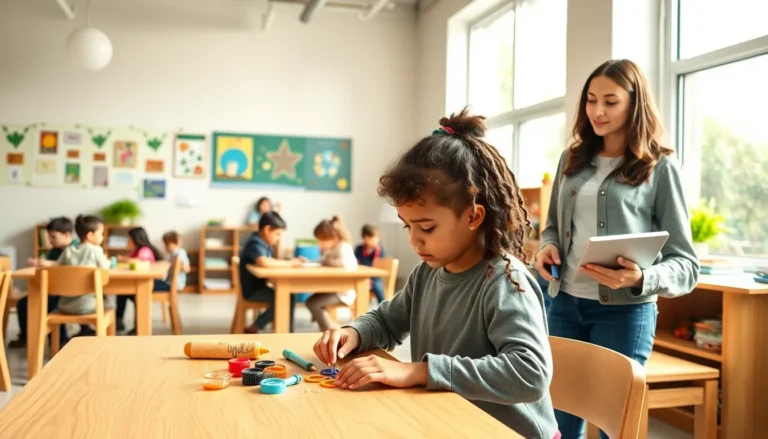
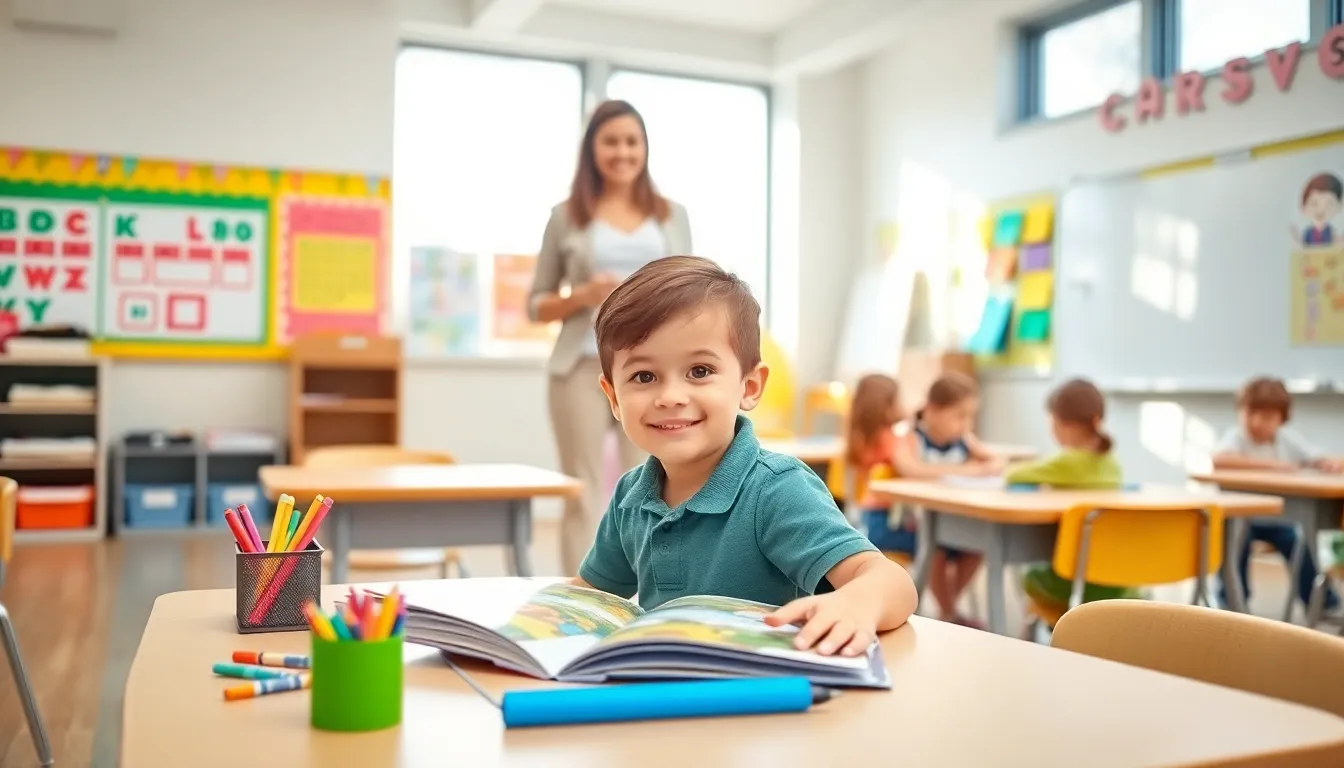
Classrooms in elementary school feature assigned seating, individual desks or tables, and organized learning stations. Teachers establish clear rules about behavior, raising hands to speak, and following directions. Children learn to work independently and in groups.
The student-to-teacher ratio in elementary school is usually higher than in preschool. A class might have 20 to 25 students with one teacher and possibly an aide. This means children receive less individual attention and must develop self-regulation skills.
Academic Expectations
Elementary school for beginners introduces formal academics. Children learn letter recognition, phonics, basic math concepts, and early writing skills. Assignments often begins in kindergarten or first grade, though assignments remain short and simple.
Teachers assess progress through observation, classwork, and occasional tests. Report cards provide feedback to parents about academic and social development. These assessments help identify areas where a child excels or needs extra support.
Essential Skills Your Child Should Develop
Elementary school for beginners builds foundational skills that support lifelong learning. Some skills develop before school starts, while others grow throughout the first year.
Academic Readiness Skills
Children entering elementary school benefit from basic pre-reading abilities. These include recognizing letters, understanding that words carry meaning, and holding a book correctly. Counting to ten, recognizing numbers, and understanding basic shapes also provide advantages.
Fine motor skills matter too. Holding a pencil, cutting with scissors, and coloring within lines prepare children for writing and classroom activities. These abilities develop through practice with crayons, playdough, and simple crafts.
Social and Emotional Skills
Elementary school requires children to interact with many peers and adults. Sharing, taking turns, and cooperating in group activities form the basis of positive classroom experiences. Children who manage frustration and express emotions appropriately adjust more easily.
Self-confidence plays a significant role in elementary school success. Children who feel capable try new things and recover from mistakes. Parents can build this confidence by praising effort rather than just results.
Independence and Self-Care
Elementary school for beginners expects a level of independence that surprises some families. Children should use the bathroom alone, wash hands, open lunch containers, and manage personal belongings. Tying shoes, zipping jackets, and organizing backpacks also fall under expected abilities.
Following multi-step directions matters greatly. Teachers give instructions once to the whole class, and children must listen, remember, and act. Practicing this skill at home, through cooking, games, or simple chores, builds the necessary attention span.
How to Prepare Your Child for Elementary School
Preparation for elementary school happens in the months and weeks before the first day. Thoughtful planning reduces anxiety and builds excitement.
Visit the School
Many schools offer orientation events or tours for incoming students. These visits familiarize children with the building, playground, cafeteria, and classroom. Meeting the teacher beforehand can ease first-day nerves significantly.
If formal visits aren’t available, drive by the school together. Walk the grounds if permitted. Talk about what happens in different areas. This familiarity makes elementary school for beginners feel less overwhelming.
Establish Routines Early
School schedules require earlier wake times and consistent bedtimes. Start adjusting sleep schedules two to three weeks before school begins. Practice the morning routine: getting dressed, eating breakfast, brushing teeth, and leaving on time.
Pack backpacks the night before to reduce morning stress. Create a designated spot for school supplies, shoes, and jackets. These habits prevent chaotic mornings and late arrivals.
Practice Key Skills
Use the summer before elementary school to strengthen readiness skills. Read together daily, even 15 minutes builds vocabulary and comprehension. Play counting games, practice writing names, and encourage creative expression through drawing.
Role-play school scenarios. Practice raising a hand to speak, sitting still for short periods, and following directions. These rehearsals make actual classroom experiences feel familiar.
Address Emotions
Children experience mixed feelings about starting elementary school. Excitement, fear, sadness about leaving preschool friends, and worry about the unknown all occur naturally. Acknowledge these emotions without dismissing them.
Read books about starting school together. Talk about what might happen and problem-solve potential challenges. Reassure children that feeling nervous is normal and that they’ll make new friends.
Tips for a Smooth Transition to School Life
The first weeks of elementary school set the tone for the entire year. Parents can take specific actions to support their child’s adjustment.
Communicate with Teachers
Teachers appreciate knowing about a child’s strengths, challenges, and personality. Share relevant information early, allergies, learning differences, social tendencies, or family situations that might affect behavior. This partnership supports the child from day one.
Attend back-to-school nights and parent-teacher conferences. Read newsletters and check communication apps. Staying informed about classroom activities helps parents reinforce learning at home.
Create After-School Routines
Elementary school for beginners is exhausting. Children need downtime after school before tackling assignments or activities. Offer a healthy snack, allow outdoor play or quiet time, and then transition to any assignments.
Establish a assignments spot that’s quiet and free from distractions. Keep supplies nearby. Even if assignments is minimal in the early grades, building this habit pays off later.
Foster Friendships
Social connections make school enjoyable. Arrange playdates with classmates to deepen friendships outside school hours. Learn the names of children your student mentions and ask about them regularly.
Teach conflict resolution skills. Disagreements happen, and children who can express feelings, listen to others, and find compromises handle social challenges better.
Stay Patient and Positive
Adjustment takes time. Some children adapt within days, while others need weeks or months to feel comfortable. Meltdowns, resistance, and regression in behavior at home are normal responses to big changes.
Celebrate small wins. Praise specific accomplishments: “You remembered your lunch box today.” or “You made a new friend at recess.” Positive reinforcement builds confidence and motivation.
Monitor Well-Being
Watch for signs that a child struggles more than expected. Persistent anxiety, physical complaints like stomachaches, refusal to attend school, or significant behavior changes warrant attention. Talk with teachers and consider consulting school counselors if concerns persist.