What is alternative education? It’s any learning approach that operates outside the conventional classroom model. Alternative education gives students different paths to gain knowledge, develop skills, and earn credentials. These programs range from homeschooling and Montessori schools to online academies and vocational training centers.
Traditional schools work well for many students. But they don’t work for everyone. Some learners thrive with hands-on instruction. Others need flexible schedules or smaller class sizes. Alternative education fills these gaps by offering personalized approaches that meet diverse student needs.
This guide breaks down the key types of alternative education, explains their benefits, and helps readers determine which path might be right for them or their children.
Table of Contents
ToggleKey Takeaways
- Alternative education encompasses any learning approach outside traditional classrooms, including homeschooling, Montessori, online schools, and vocational programs.
- Students benefit from alternative education through personalized pacing, smaller class sizes, flexible schedules, and varied teaching methods tailored to individual learning styles.
- Alternative education serves diverse learners, from gifted students and those with learning differences to adults returning to education and young athletes balancing training with academics.
- When choosing an alternative education path, assess the student’s specific needs, verify program accreditation, and ensure alignment with long-term academic or career goals.
- Many alternative education programs emphasize real-world application and self-directed learning, helping students develop independence and practical skills for future success.
Defining Alternative Education
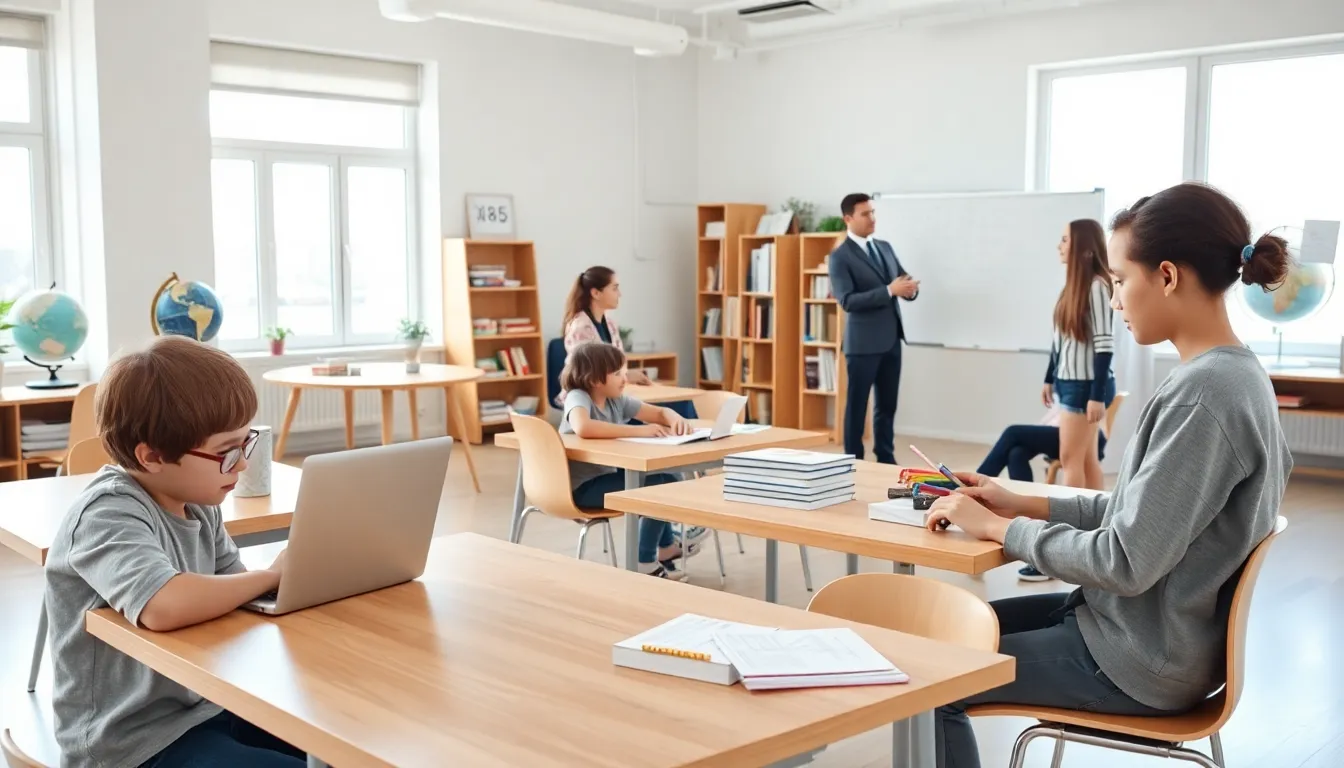
Alternative education refers to any educational program that differs from standard public or private school formats. These programs use different teaching methods, schedules, curricula, or learning environments than traditional schools.
The core idea behind alternative education is simple: students learn in different ways. A single educational model can’t serve every learner effectively. Alternative education programs recognize this reality and offer options.
Some alternative education programs operate within public school systems. Others function independently. The common thread is their departure from conventional classroom instruction.
Alternative education often emphasizes:
- Student-centered learning approaches
- Flexible pacing and scheduling
- Hands-on or experiential instruction
- Smaller class sizes or one-on-one teaching
- Non-traditional assessment methods
These programs aren’t new. Montessori education dates back to the early 1900s. Homeschooling has existed for centuries. What’s changed is the variety of alternative education options now available and the growing acceptance of these approaches.
Common Types of Alternative Education
Alternative education takes many forms. Here are the most common types families and students encounter.
Homeschooling
Homeschooling puts parents in charge of their children’s education. Families can follow structured curricula, use online programs, or create custom learning plans. Approximately 3.3 million students were homeschooled in the United States as of 2023.
Montessori Schools
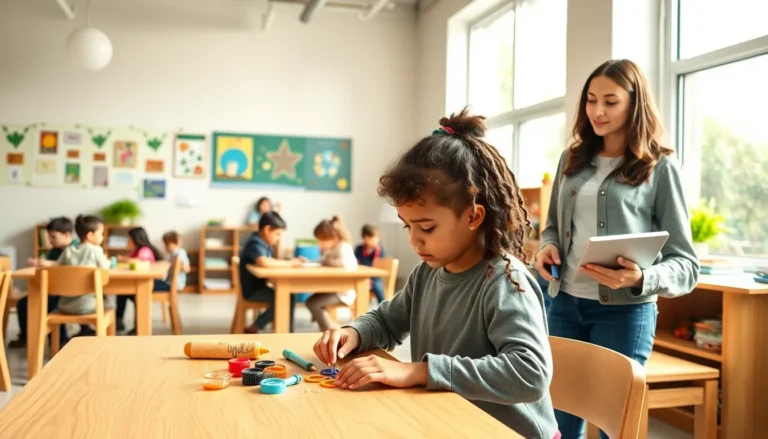
Montessori education uses self-directed learning and mixed-age classrooms. Students choose activities from a range of options while teachers serve as guides rather than lecturers. This alternative education method works particularly well for early childhood and elementary learners.
Waldorf Schools
Waldorf schools focus on creative and artistic development alongside academics. These programs limit technology use and emphasize imagination, storytelling, and hands-on activities.
Charter Schools
Charter schools are publicly funded but operate independently from traditional school districts. They often use innovative teaching methods or focus on specific subjects like STEM or the arts.
Online and Virtual Schools
Online schools deliver instruction through digital platforms. Students can learn from home while following accredited curricula. This alternative education option offers maximum schedule flexibility.
Vocational and Technical Programs
Vocational education focuses on career-specific skills. Students learn trades like welding, healthcare, or information technology. These programs prepare learners for immediate employment after completion.
Democratic Schools
Democratic schools give students significant control over their education. Learners help make decisions about school rules, curriculum, and daily activities. Sudbury Valley School is a well-known example.
Benefits of Alternative Education Programs
Alternative education offers several advantages over traditional schooling.
Personalized Learning Pace
Students in alternative education programs often learn at their own speed. Fast learners can advance quickly. Those who need more time can take it without falling behind their peers.
Individualized Attention
Many alternative education settings feature smaller class sizes. Teachers can spend more time with each student. This attention helps identify and address learning gaps early.
Flexible Scheduling
Alternative education programs frequently offer non-traditional schedules. This flexibility benefits student athletes, performers, working students, and those with health conditions.
Different Teaching Methods
Alternative education uses varied instructional approaches. Visual learners might watch demonstrations. Kinesthetic learners can work with physical materials. Auditory learners can engage in discussions and lectures.
Safe Learning Environments
Some students struggle in large school settings due to bullying, anxiety, or social challenges. Alternative education can provide smaller, more supportive environments where these students feel safe to learn.
Real-World Application
Many alternative education programs connect learning to practical applications. Students see how their studies relate to careers and daily life. This connection increases engagement and motivation.
Development of Self-Direction
Alternative education often requires students to take ownership of their learning. This builds self-discipline, time management, and independent thinking skills.
Who Can Benefit From Alternative Education
Alternative education serves diverse groups of learners.
Students Who Learn Differently
Children with ADHD, dyslexia, autism, or other learning differences often thrive in alternative education settings. These programs can adapt to individual learning styles and needs.
Gifted Students
Highly capable students sometimes feel bored or unchallenged in traditional classrooms. Alternative education allows them to move ahead and explore subjects deeply.
Students Facing Personal Challenges
Young people dealing with health issues, family situations, or emotional difficulties may need the flexibility that alternative education provides.
Athletes and Performers
Students pursuing competitive sports, acting, music, or dance often can’t attend traditional schools full-time. Alternative education lets them balance training with academics.
Adults Returning to Education
Alternative education isn’t just for children. Adults seeking GEDs, career changes, or continuing education often use alternative programs to fit learning around work and family.
Students Who’ve Struggled in Traditional Settings
Some students don’t connect with conventional teaching methods. They may have poor grades or behavioral issues in regular schools. Alternative education gives them fresh starts with different approaches.
Families With Specific Values
Some parents choose alternative education to incorporate religious instruction, particular philosophical approaches, or specific cultural education into their children’s learning.
How to Choose the Right Alternative Education Path
Selecting an alternative education program requires careful consideration. Here’s how to make a good decision.
Assess the Student’s Needs
Start by identifying why traditional education isn’t working. Is the issue academic, social, scheduling, or something else? The answer points toward appropriate alternatives.
Research Available Options
Look into what alternative education programs exist in your area. Consider online options if local choices are limited. Talk to other families who’ve used these programs.
Verify Accreditation and Credentials
Make sure the alternative education program is properly accredited. Credits should transfer if needed. Diplomas or certificates should be recognized by colleges and employers.
Visit Programs When Possible
Schedule tours of schools or speak with program administrators. Observe classes if allowed. Get a feel for the environment and teaching style.
Consider Long-Term Goals
Think about where this alternative education path leads. Does it prepare students for college? Does it provide job-ready skills? Make sure the program aligns with future objectives.
Evaluate Costs and Resources
Alternative education costs vary widely. Homeschooling can be inexpensive. Private alternative schools may charge significant tuition. Factor in materials, technology, and time commitments.
Start With a Trial Period
If possible, try the alternative education approach before making a full commitment. Many programs allow trial periods or short-term enrollment.