Learning how to prepare your child for elementary school starts well before the first day of kindergarten. Parents often wonder if their child is ready, and that’s a fair concern. Elementary school marks a major shift from the unstructured play of early childhood to a more formal learning environment.
The good news? Most children adapt well with the right preparation. This guide covers the key areas parents should focus on: academic readiness, social skills, emotional development, and practical steps for enrollment. Whether a child is heading to kindergarten or transitioning from preschool, these strategies help set them up for success.
Table of Contents
ToggleKey Takeaways
- Elementary school readiness includes cognitive, social, emotional, and physical development—not just knowing the ABCs.
- Build early literacy by reading aloud 15-20 minutes daily and playing rhyming games to strengthen phonemic awareness.
- Social and emotional skills like sharing, taking turns, and managing frustration help children adjust more smoothly to elementary school.
- Establish consistent home routines for bedtime, meals, and mornings to mirror the structured school schedule.
- Start the enrollment process early by gathering documents like birth certificates and immunization records before district deadlines.
- Attend school orientation events and practice goodbye routines to reduce first-day anxiety for your child.
Understanding Elementary School Readiness
Elementary school readiness involves more than knowing the ABCs. It encompasses cognitive abilities, physical development, social skills, and emotional maturity. Schools typically expect incoming students to handle basic self-care tasks, follow simple instructions, and interact appropriately with peers.
Age requirements vary by state, but most children start kindergarten between ages 5 and 6. But, age alone doesn’t determine readiness. Some five-year-olds thrive in structured settings, while others need more time.
Key readiness indicators include:
- Attention span: Can the child focus on a single activity for 10-15 minutes?
- Independence: Can they use the bathroom alone, wash hands, and manage their belongings?
- Communication: Can they express needs and understand basic directions?
- Motor skills: Can they hold a pencil, use scissors, and button a coat?
Parents should observe their child during play dates, preschool, or structured activities. Teachers and pediatricians can also provide valuable assessments. If concerns arise, many schools offer readiness screenings to identify areas that need extra attention before elementary school begins.
Building Essential Academic Skills
Academic preparation for elementary school doesn’t require formal lessons. Everyday activities build the foundation children need for classroom learning.
Early Literacy
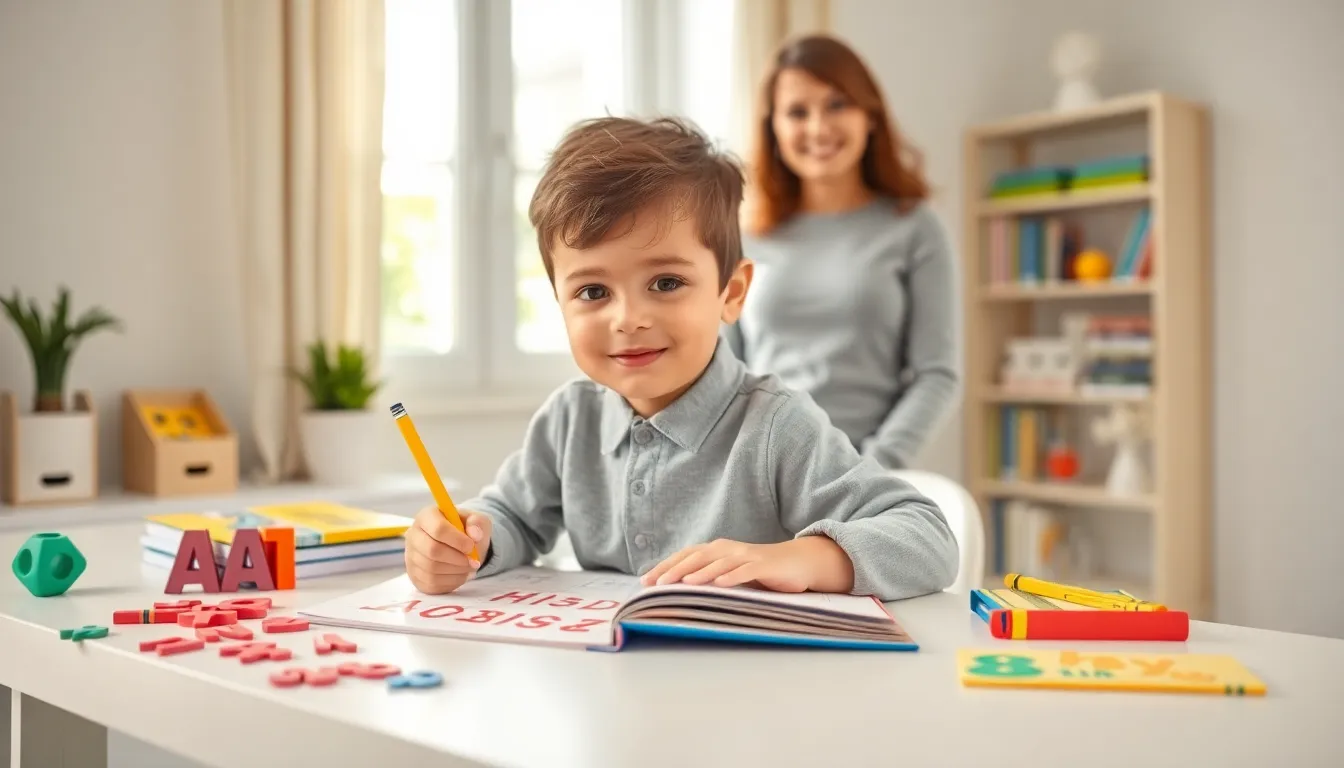
Reading aloud remains one of the most effective ways to prepare children for elementary school. Aim for 15-20 minutes daily. Point to words as you read, ask questions about the story, and let children predict what happens next. This builds vocabulary, comprehension, and a love for books.
Children should recognize their own name in print, know most letters of the alphabet, and understand that print carries meaning. Rhyming games and singing songs also strengthen phonemic awareness, a critical skill for reading.
Math Concepts
Early math skills develop through play and daily routines. Count steps while walking. Sort laundry by color. Compare sizes during snack time (“Which cracker is bigger?”). These activities teach counting, sorting, patterns, and basic comparisons.
By kindergarten, most children can count to 10, recognize basic shapes, and understand concepts like “more” and “less.”
Fine Motor Development
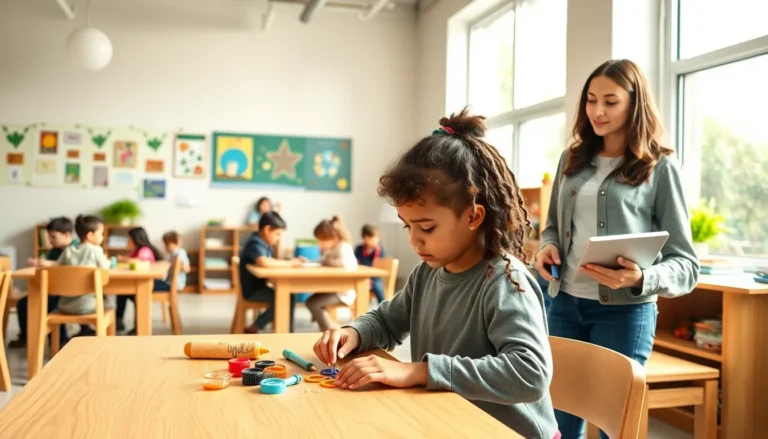
Coloring, drawing, cutting with safety scissors, and playing with playdough strengthen the small muscles needed for writing. Encourage activities that require pinching, gripping, and controlled movements. These skills directly transfer to holding a pencil correctly in elementary school.
Developing Social and Emotional Readiness
Social and emotional skills often matter more than academic knowledge in early elementary school. Teachers consistently report that children who can manage emotions, follow rules, and cooperate with others adjust more smoothly.
Building Social Skills
Children entering elementary school need practice sharing, taking turns, and working in groups. Playdates, team sports, and group activities provide opportunities to develop these skills. Role-playing common scenarios, like asking to join a game or handling disagreement, helps children feel prepared.
Teach children basic social scripts: “Can I play?” “May I have a turn?” “I don’t like that.” Simple phrases give them tools to handle common situations independently.
Emotional Regulation
Elementary school requires children to manage frustration, disappointment, and excitement. Start by naming emotions: “You seem frustrated because the blocks fell down.” This helps children identify their feelings.
Teach calming strategies like deep breathing, counting to five, or squeezing a stress ball. Practice these techniques when the child is calm so they can use them during difficult moments.
Separation Comfort
Many children feel anxious about leaving parents. Gradually increase time spent away from home through short playdates, drop-off activities, or preschool. Create predictable goodbye routines, a special handshake or phrase, that provide comfort during transitions.
Creating a Supportive Home Environment
The home environment shapes how well children adapt to elementary school. Small changes in routines and physical spaces make a significant difference.
Establish Consistent Routines
Elementary school follows a structured schedule. Children who already have consistent routines at home adjust more easily. Set regular times for waking, meals, play, and bedtime. A month before school starts, shift bedtime and wake time to match the school schedule.
Create a morning routine that allows enough time for breakfast, getting dressed, and gathering belongings without rushing. Practice this routine during summer to work out any problems.
Designate Learning Spaces
Set up a quiet area for reading, drawing, and assignments. Stock it with age-appropriate books, crayons, paper, and puzzles. This space signals that learning happens at home too, not just at school.
Talk About School Positively
How parents discuss elementary school shapes children’s attitudes. Share positive stories, visit the school building, and meet the teacher if possible. Read books about starting school together. Avoid phrases that create anxiety like “You’ll have to sit still all day” or “The teacher won’t help you like I do.”
Foster Independence
Encourage children to dress themselves, pack their backpack, and make simple choices. These skills build confidence and reduce stress during the school day.
Navigating the Enrollment Process
The enrollment process for elementary school varies by district but follows general patterns. Starting early prevents last-minute stress.
Know Important Dates
Most districts open kindergarten enrollment between January and April for the following fall. Check the district website or call the school office to confirm deadlines. Missing enrollment windows can complicate school assignments.
Gather Required Documents
Common enrollment requirements include:
- Birth certificate
- Proof of residence (utility bill, lease, or mortgage statement)
- Immunization records
- Proof of guardianship (if applicable)
- Previous school records (for older children)
Contact the school several weeks before registration to confirm specific requirements. Some districts require additional forms or health screenings.
Attend Orientation Events
Most elementary schools host orientation sessions, open houses, or “meet the teacher” events before school starts. Attend these whenever possible. Familiarity with the building, staff, and routines reduces first-day anxiety for both children and parents.
Ask Questions
Don’t hesitate to contact the school with questions. Ask about drop-off procedures, lunch options, after-school programs, and communication methods. Understanding these logistics helps families prepare for elementary school practically and emotionally.