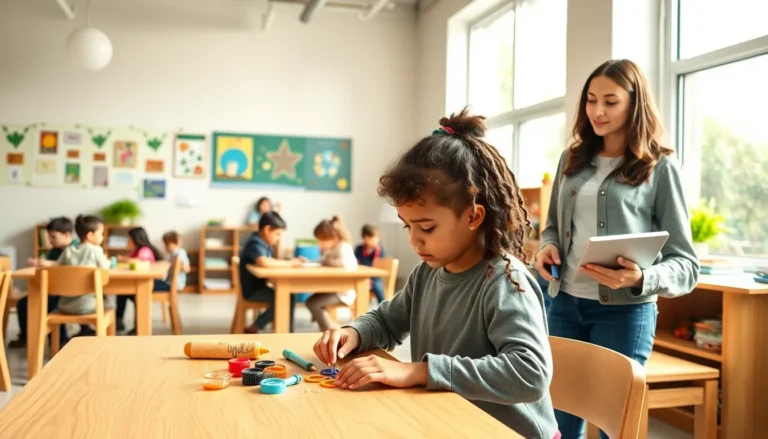
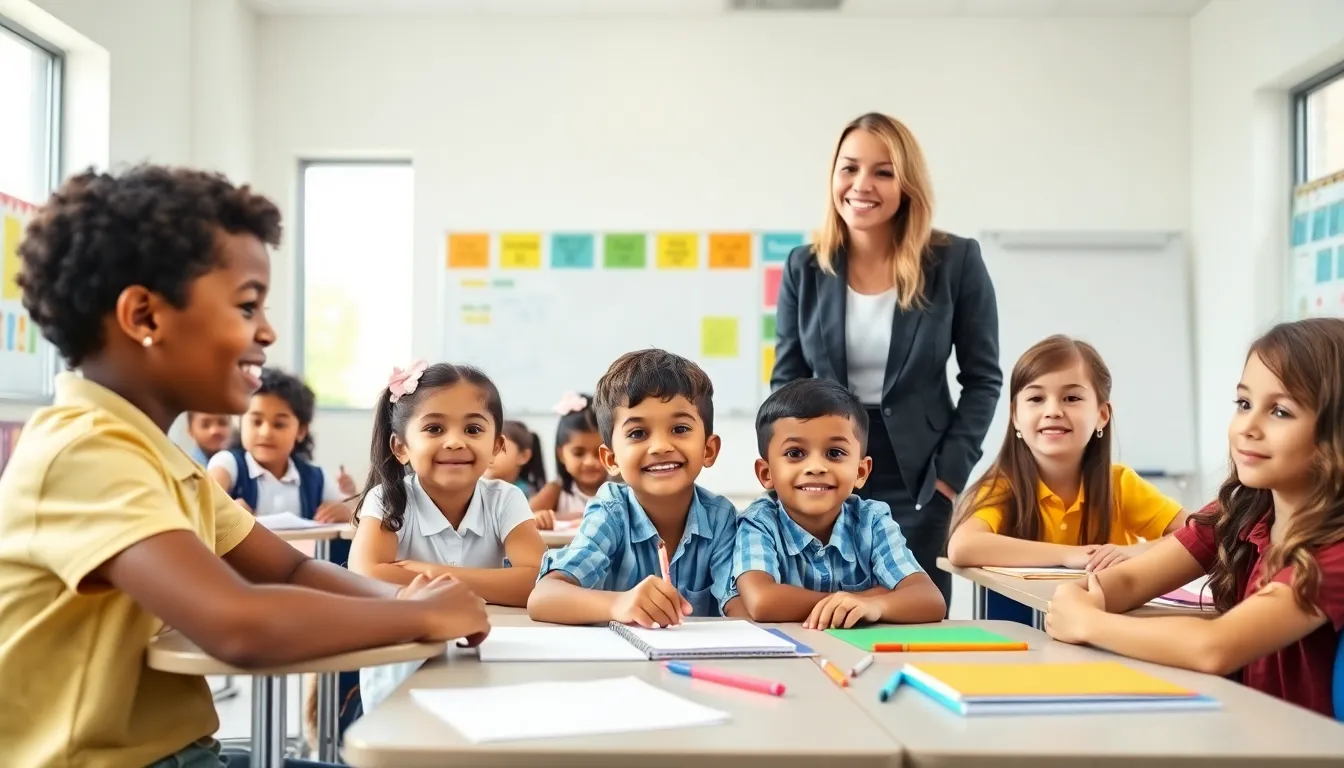
Elementary school marks the beginning of formal education for most children in the United States. This stage shapes academic foundations, social skills, and a lifelong love of learning. Parents often have questions about what happens during these critical years. This guide covers grade levels, curriculum, child development, and practical ways to support students. Whether a child is starting kindergarten or finishing fifth grade, understanding elementary school helps families make informed decisions.
Table of Contents
ToggleKey Takeaways
- Elementary school covers kindergarten through fifth or sixth grade, typically for children ages 5 to 11, and builds foundational academic and social skills.
- Core subjects include English Language Arts, Mathematics, Science, and Social Studies, with enrichment classes like art, music, and physical education.
- Social and emotional development is just as important as academics—children learn conflict resolution, teamwork, and emotional regulation during these years.
- Parents can support elementary school success by establishing routines, reading daily with their child, and maintaining open communication with teachers.
- Celebrating effort over results helps children develop resilience and a positive attitude toward learning challenges.
What Is Elementary School?
Elementary school is the first stage of compulsory education in the U.S. It typically includes kindergarten through fifth or sixth grade, depending on the school district. Children usually attend elementary school between the ages of 5 and 11.
The primary goal of elementary school is to teach fundamental skills. Students learn to read, write, and perform basic math. They also begin studying science, social studies, and the arts. Beyond academics, elementary school introduces children to structured learning environments, classroom routines, and peer interaction.
Most elementary schools operate on a traditional schedule with classes running from morning to mid-afternoon. Students spend the majority of their day with one primary teacher who covers multiple subjects. Specialists often teach music, art, and physical education.
Elementary school also serves as a community hub. Parents participate through volunteer opportunities, parent-teacher organizations, and school events. This involvement strengthens the connection between home and school.
Grade Levels and Age Ranges
Elementary school in the U.S. covers several grade levels. The exact structure varies by state and district, but most schools follow a similar pattern.
Kindergarten (Ages 5–6): This introductory year focuses on early literacy, number recognition, and social skills. Children learn to follow directions and work in groups.
First Grade (Ages 6–7): Students begin formal reading instruction. They practice writing sentences and solving simple addition and subtraction problems.
Second Grade (Ages 7–8): Reading fluency improves. Math instruction expands to include basic multiplication concepts and telling time.
Third Grade (Ages 8–9): This year often introduces standardized testing. Students read chapter books, write paragraphs, and learn multiplication tables.
Fourth Grade (Ages 9–10): Curriculum becomes more challenging. Students study fractions, state history, and write multi-paragraph essays.
Fifth Grade (Ages 10–11): The final year of elementary school in many districts. Students prepare for middle school with advanced reading, math, and independent research projects.
Some districts extend elementary school through sixth grade, while others transition students to middle school after fourth or fifth grade. Parents should check with their local school district for specific grade configurations.
Core Subjects and Curriculum
Elementary school curriculum builds essential academic skills. Teachers follow state standards that outline what students should learn at each grade level.
English Language Arts
Reading and writing form the backbone of elementary education. Students progress from phonics and sight words to comprehension and analysis. Writing instruction covers handwriting, spelling, grammar, and composition. By fifth grade, students write essays with clear introductions, supporting details, and conclusions.
Mathematics
Math instruction starts with counting and number sense. Students advance through addition, subtraction, multiplication, and division. Upper elementary grades introduce fractions, decimals, and basic geometry. Problem-solving and mathematical reasoning receive increasing emphasis.
Science
Elementary science sparks curiosity about the natural world. Topics include life science, earth science, and physical science. Students conduct experiments, make observations, and learn the scientific method. Hands-on activities help children understand concepts like plant life cycles, weather patterns, and simple machines.
Social Studies
Social studies covers geography, history, civics, and economics at an introductory level. Students learn about their community, state, and country. Map skills, historical timelines, and government basics prepare them for deeper study in later grades.
Specials and Enrichment
Most elementary schools offer art, music, and physical education. These subjects develop creativity, coordination, and self-expression. Some schools also provide library instruction, technology classes, and foreign language exposure.
Social and Emotional Development
Elementary school shapes more than academic skills. These years are critical for social and emotional growth.
Children learn to make friends, resolve conflicts, and work cooperatively. They develop empathy by interacting with classmates from different backgrounds. Group projects and classroom discussions teach communication and teamwork.
Emotional regulation also develops during elementary school. Students learn to manage frustration, handle disappointment, and celebrate achievements. Teachers often use social-emotional learning programs to help children identify feelings and practice coping strategies.
Self-confidence grows as students master new skills. Reading a chapter book independently or solving a challenging math problem builds a sense of accomplishment. Positive reinforcement from teachers and parents strengthens this confidence.
Elementary school counselors support students facing challenges. They address issues like anxiety, bullying, and family changes. Early intervention helps children develop healthy coping mechanisms.
Playground time and recess contribute to social development. Unstructured play allows children to practice negotiation, leadership, and creativity. Physical activity also improves focus and reduces stress.
How to Support Your Child’s Success
Parents play a vital role in elementary school success. Simple actions at home reinforce what children learn in the classroom.
Establish a routine. Consistent bedtimes and morning schedules help children arrive at school rested and ready to learn. Set aside a quiet time for assignments each day.
Read together. Daily reading builds vocabulary and comprehension. Let children choose books that interest them. Discuss stories to deepen understanding.
Communicate with teachers. Attend parent-teacher conferences and respond to school communications. Teachers appreciate knowing about challenges or changes at home that might affect a child’s learning.
Encourage curiosity. Answer questions, visit libraries and museums, and explore topics that interest your child. Learning shouldn’t stop at the classroom door.
Limit screen time. Balance technology use with physical activity, creative play, and family interaction. The American Academy of Pediatrics recommends consistent limits on recreational screen time.
Celebrate effort, not just results. Praise hard work and persistence. Children who understand that struggle leads to growth develop resilience and a positive attitude toward challenges.
Stay involved. Volunteer at school when possible. Join the parent-teacher organization. Attend school events. Visible parental involvement signals to children that education matters.