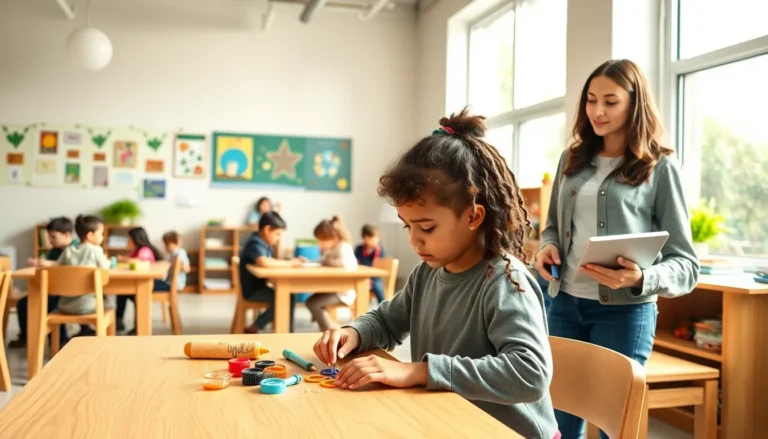

Choosing a top elementary school shapes your child’s academic future and personal growth. Parents want a school that builds strong foundations in reading, math, and critical thinking. They also want a place where their child feels safe and excited to learn.
Finding the right fit takes research, visits, and honest conversations. This guide breaks down what separates great elementary schools from average ones. It covers the factors that matter most, how to compare options, and the questions parents should ask before making a decision.
Table of Contents
ToggleKey Takeaways
- A top elementary school combines strong academics with engaged leadership, community partnerships, and a supportive school culture.
- Look beyond test scores—teacher quality, class sizes under 20 students, and professional development programs indicate a school’s commitment to student success.
- Research schools using state report cards, parent reviews, and personal recommendations, then compare at least three options before deciding.
- During school visits, ask about curriculum, safety protocols, support services, and discipline policies to assess the full picture.
- Parent involvement and open communication between families and educators are hallmarks of top elementary schools.
- Trust your instincts—if a school feels like the right fit during your visit, it likely is.
What Makes an Elementary School Stand Out
A top elementary school does more than teach basic subjects. It creates an environment where students develop curiosity, confidence, and a love for learning.
Strong leadership sets the tone. Schools with engaged principals tend to have better teacher retention and clearer academic goals. Look for schools where administrators know students by name and stay visible during drop-off and pickup times.
Community involvement also signals quality. Top elementary schools build partnerships with local libraries, museums, and businesses. These connections bring learning beyond the classroom and show that a school invests in student experiences.
Parent engagement matters too. Schools that welcome volunteers, host regular events, and communicate openly tend to perform better. When families feel included, students benefit from consistent support at home and at school.
Finally, pay attention to culture. A top elementary school celebrates diversity, addresses bullying quickly, and encourages students to take healthy risks. Kids learn best when they feel accepted and supported by peers and teachers alike.
Key Factors to Consider When Choosing an Elementary School
Several factors determine whether a school fits your child’s needs. Academic quality matters, but so do teaching methods, class structure, and extracurricular options.
Academic Programs and Curriculum
A top elementary school offers a balanced curriculum. Core subjects like reading, writing, math, and science should receive daily attention. But arts, music, and physical education round out a child’s development.
Look at how the school handles different learning styles. Some schools use project-based learning, where students explore topics through hands-on activities. Others follow traditional instruction with textbooks and worksheets. Neither approach is wrong, what matters is whether it matches how your child learns best.
Gifted programs and special education services also deserve attention. A top elementary school meets students where they are, whether they need extra challenges or additional support. Ask how the school identifies students who need intervention and what resources it provides.
STEM and literacy initiatives can indicate a school’s priorities. Schools that invest in science labs, coding classes, or reading specialists often produce stronger academic outcomes.
Teacher Quality and Class Sizes
Teachers make or break a school experience. A top elementary school hires educators who combine subject knowledge with genuine care for students. Look for schools where teachers stay for years, not months.
Class size affects how much individual attention each child receives. Research suggests that smaller classes, typically under 20 students, lead to better outcomes, especially in early grades. Ask schools directly about their student-to-teacher ratios.
Professional development shows a school’s commitment to improvement. Top elementary schools invest in ongoing teacher training. They bring in specialists, send staff to conferences, and encourage collaboration between educators.
Observe how teachers interact with students if possible. Do they seem patient? Do they adapt when a child struggles? The best teachers adjust their approach based on each student’s needs.
How to Research and Compare Schools in Your Area
Start with state and district report cards. Most states publish data on test scores, graduation rates, attendance, and teacher qualifications. These numbers provide a baseline for comparison.
But don’t stop at statistics. A top elementary school might have average test scores but exceptional arts programs or strong community ties. Numbers tell part of the story, not all of it.
Online reviews from parents offer real-world perspectives. Sites like GreatSchools, Niche, and local Facebook groups feature honest feedback about school culture, communication, and day-to-day operations. Look for patterns rather than isolated complaints.
Talk to other parents in your neighborhood. They can share details that websites miss, like how the school handles sick days, assignments loads, or teacher changes mid-year. Personal recommendations carry weight.
Attend open houses and school events before applying. Walking through hallways reveals things no brochure mentions. Notice whether classrooms feel organized, whether student work covers the walls, and whether kids seem engaged.
Compare at least three schools before deciding. Create a simple spreadsheet tracking factors like commute time, tuition (if applicable), test scores, extracurriculars, and your overall impression. This makes final decisions easier.
Questions to Ask During School Visits
School visits reveal what brochures and websites cannot. Prepare specific questions to make the most of your time.
Start with academics. Ask what curriculum the school follows and how it measures student progress. Find out how often teachers communicate with parents about grades and behavior. A top elementary school keeps families informed without overwhelming them.
Ask about safety protocols. How does the school handle emergencies? What measures prevent unauthorized visitors from entering? Parents deserve clear answers on these topics.
Dig into support services. Does the school have counselors, reading specialists, or speech therapists? How does it accommodate students with learning differences or disabilities? Strong support systems benefit every child, not just those with diagnosed needs.
Inquire about discipline policies. How does the school address conflicts between students? What consequences exist for repeated misbehavior? Look for approaches that emphasize learning over punishment.
Finally, ask about parent involvement. Can families volunteer in classrooms? Does the school have an active PTA? How does the principal handle parent concerns? A top elementary school welcomes feedback and treats parents as partners.
Trust your instincts during visits. If something feels off, it probably is. Your child will spend six or more years at this school, the fit should feel right from the start.