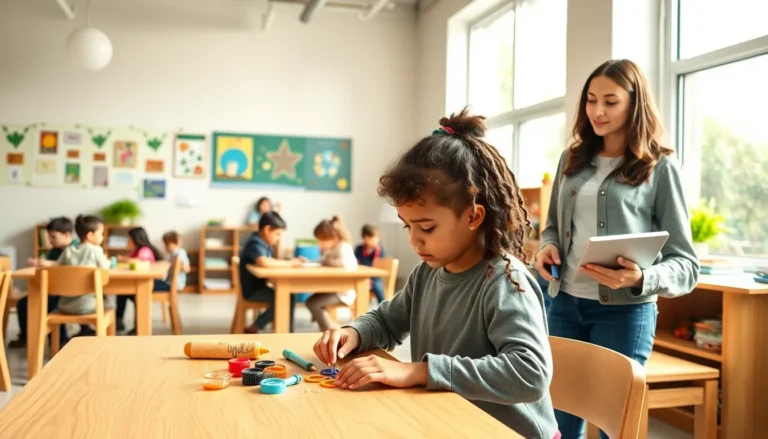

Alternative education offers students a different approach to learning outside traditional classroom settings. For families seeking options beyond conventional public or private schools, these non-traditional paths can provide flexibility, personalized instruction, and unique teaching philosophies.
This guide explains what alternative education means, explores popular program types, and helps families determine which option might work best for their children. Whether a student thrives with hands-on learning or needs a schedule that accommodates other commitments, alternative education programs exist to meet diverse needs.
Table of Contents
ToggleKey Takeaways
- Alternative education includes homeschooling, Montessori, Waldorf, charter schools, and online programs—each offering unique approaches outside traditional classrooms.
- Student-centered learning and flexible schedules make alternative education ideal for children with different learning styles, health challenges, or demanding extracurricular commitments.
- Homeschooling and unschooling give families the most control but require significant parent involvement and understanding of state legal requirements.
- Costs vary widely, from nearly free public charter options to private schools exceeding $20,000 annually in tuition.
- Families should assess their child’s learning preferences, social needs, and practical factors like budget and location before choosing an alternative education path.
- Research programs thoroughly by visiting schools, talking to current families, and verifying accreditation to ensure quality and college readiness.
What Is Alternative Education?
Alternative education refers to any educational approach that differs from mainstream public or private schooling. These programs often use different teaching methods, curricula, or schedules than traditional schools.
The term covers a wide range of options. Some alternative education programs operate within public school systems as charter schools or magnet programs. Others exist entirely outside traditional systems, like homeschooling cooperatives or private progressive schools.
What makes alternative education distinct? Most programs share a few common features:
- Student-centered learning: Instruction adapts to individual student needs rather than following a one-size-fits-all approach.
- Flexible structure: Schedules, curricula, and assessment methods often differ from standard grade-level expectations.
- Different philosophies: Many alternative education programs follow specific educational theories about how children learn best.
Families choose alternative education for various reasons. Some students struggle in traditional classrooms due to learning differences, anxiety, or behavioral challenges. Others simply learn better through different methods. Athletes, performers, and young entrepreneurs may need scheduling flexibility that conventional schools can’t provide.
Alternative education has grown significantly in recent years. The COVID-19 pandemic accelerated this trend as families experimented with homeschooling and online learning. Many discovered that their children thrived outside traditional school environments.
Types of Alternative Education Programs
Alternative education encompasses many different program types. Each offers a distinct approach to teaching and learning.
Homeschooling and Unschooling
Homeschooling remains one of the most popular forms of alternative education in the United States. Parents take primary responsibility for their children’s education, either teaching subjects themselves or using purchased curricula and online courses.
Homeschooling families have significant freedom in how they structure learning. Some follow structured curricula that mirror traditional schools. Others take a more relaxed approach, allowing children to pursue interests at their own pace.
Unschooling takes this freedom further. This philosophy rejects formal curricula entirely. Instead, children direct their own learning based on natural curiosity and interests. Proponents argue that children learn better when they’re genuinely motivated by their own questions.
Both homeschooling and unschooling require substantial parent involvement. Families must understand their state’s legal requirements, which vary widely across the country.
Montessori and Waldorf Schools
Montessori schools follow the educational philosophy developed by Maria Montessori in the early 1900s. These schools emphasize self-directed activity, hands-on learning, and mixed-age classrooms. Students choose their own activities from a range of options prepared by teachers.
Montessori alternative education programs typically feature:
- Specialized learning materials designed for independent exploration
- Extended work periods without interruption
- Freedom of movement within the classroom
- Collaboration between students of different ages
Waldorf schools, founded by Rudolf Steiner, take a different approach. These programs emphasize creativity, imagination, and arts integration across all subjects. Waldorf schools often delay academic instruction, focusing on play-based learning in early childhood.
Waldorf alternative education includes distinctive features like minimal technology use, emphasis on natural materials, and consistent class teachers who stay with students for multiple years.
Other alternative education options include charter schools, magnet programs, democratic free schools, and online virtual schools. Each serves different student needs and family preferences.
Benefits and Challenges of Alternative Education
Alternative education offers clear advantages for many students, but families should understand potential drawbacks before making decisions.
Benefits of Alternative Education
Personalization stands out as the primary benefit. Alternative education programs can adapt to individual learning styles, paces, and interests. A student who struggles with traditional lecture-based teaching might excel with hands-on projects or self-directed study.
Flexibility matters for families with non-traditional schedules. Student athletes, actors, or those with health challenges can structure learning around their other commitments. This flexibility simply isn’t possible in conventional school settings.
Many alternative education programs foster deeper engagement. Students often develop stronger intrinsic motivation when they have input into what and how they learn. Smaller class sizes or one-on-one instruction can provide more individual attention than crowded traditional classrooms.
Some parents choose alternative education to align with their values or beliefs. They may want religious instruction, specific pedagogical approaches, or protection from influences they find concerning in mainstream schools.
Challenges to Consider
Alternative education isn’t without obstacles. Cost can be significant, private alternative schools often charge substantial tuition. Homeschooling requires one parent to invest considerable time, which may mean giving up income.
Socialization concerns arise frequently, particularly for homeschooled students. While many alternative education families actively pursue social opportunities through co-ops, sports, and community activities, building peer relationships requires intentional effort.
Quality varies widely across alternative education options. Not all programs deliver on their promises. Some lack qualified instructors or appropriate resources. Families must research programs carefully.
College admissions can present complications. While many universities accept alternative education backgrounds, families should understand how different programs affect transcript documentation and standardized testing requirements.
How to Choose the Right Alternative Education Option
Selecting the right alternative education path requires careful consideration of several factors.
Assess Your Child’s Needs
Start by honestly evaluating why traditional schooling isn’t working. Does your child need more structure or less? Do they learn better through reading, hands-on activities, or discussion? Understanding these preferences helps narrow alternative education options.
Consider your child’s social needs too. Some students thrive with more independence, while others need regular peer interaction. Different alternative education programs offer varying levels of social engagement.
Evaluate Practical Considerations
Budget matters significantly. Alternative education costs range from nearly free (public charter schools, homeschooling with library resources) to expensive (private Montessori or Waldorf schools with tuition exceeding $20,000 annually).
Time availability affects what’s realistic. Homeschooling requires substantial parent involvement. Even families using private alternative education programs often need to provide transportation and participate in school activities.
Location limits options in many areas. Rural families may have fewer local alternative education programs available. But, online programs and homeschooling remain accessible regardless of location.
Research Thoroughly
Visit schools in person when possible. Talk to current families about their experiences. Ask programs about their teaching philosophy, teacher qualifications, and student outcomes.
For homeschooling, connect with local support groups. Experienced homeschooling families can offer practical advice about curricula, legal requirements, and community resources.
Check accreditation and credentials. Some alternative education programs lack recognition that may affect college applications or credit transfers. Understand these implications before committing.